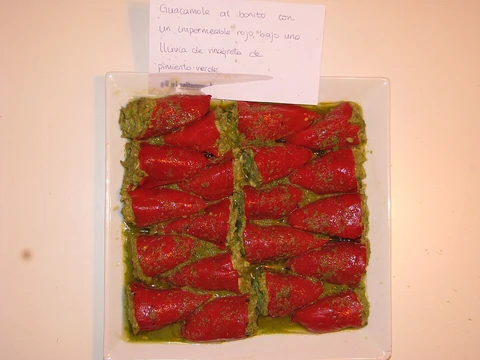
Bell pepper
A non-pungent berry used as a vegetable worldwide.

Wuzyprod · CC BY-SA 4.0
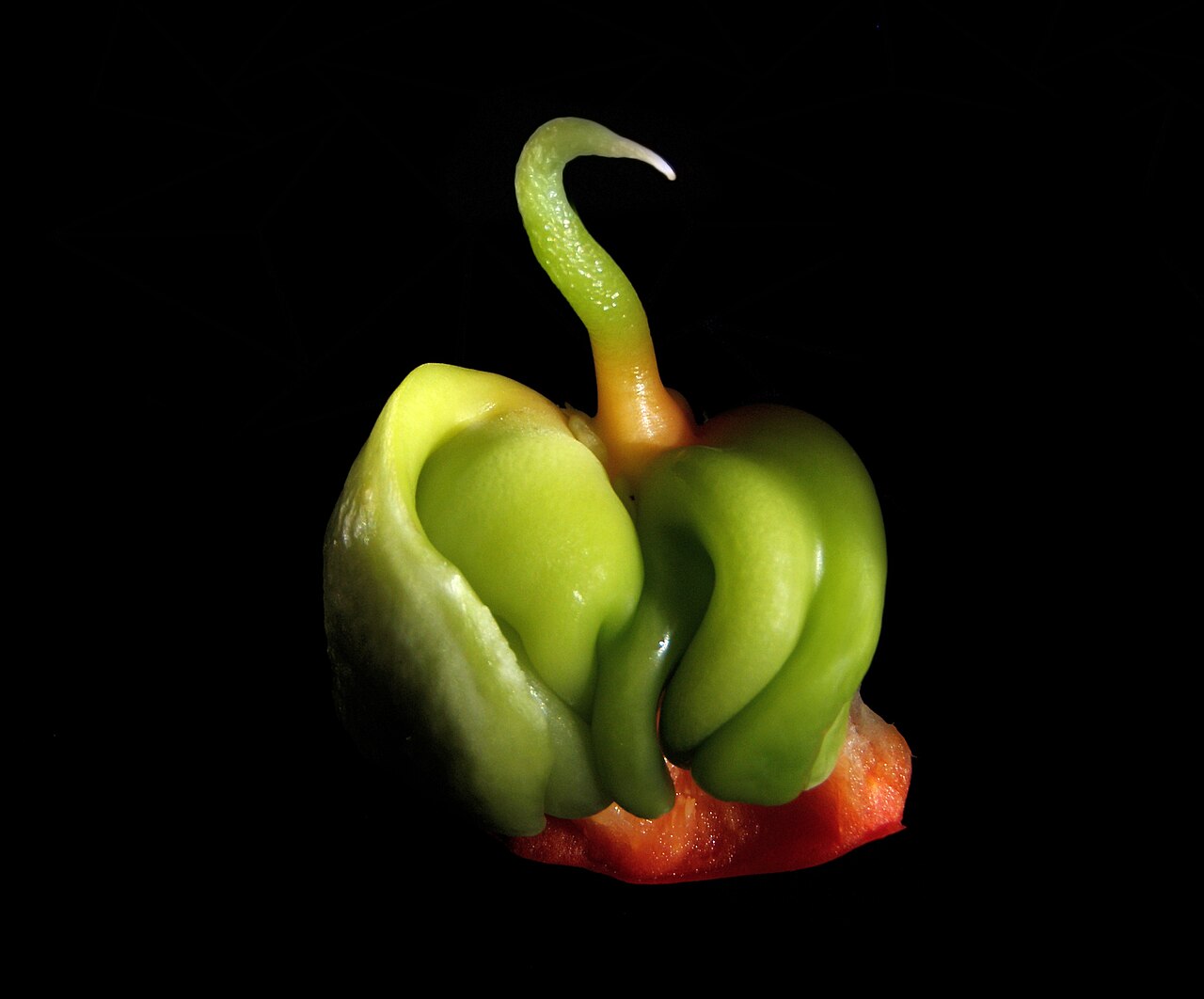
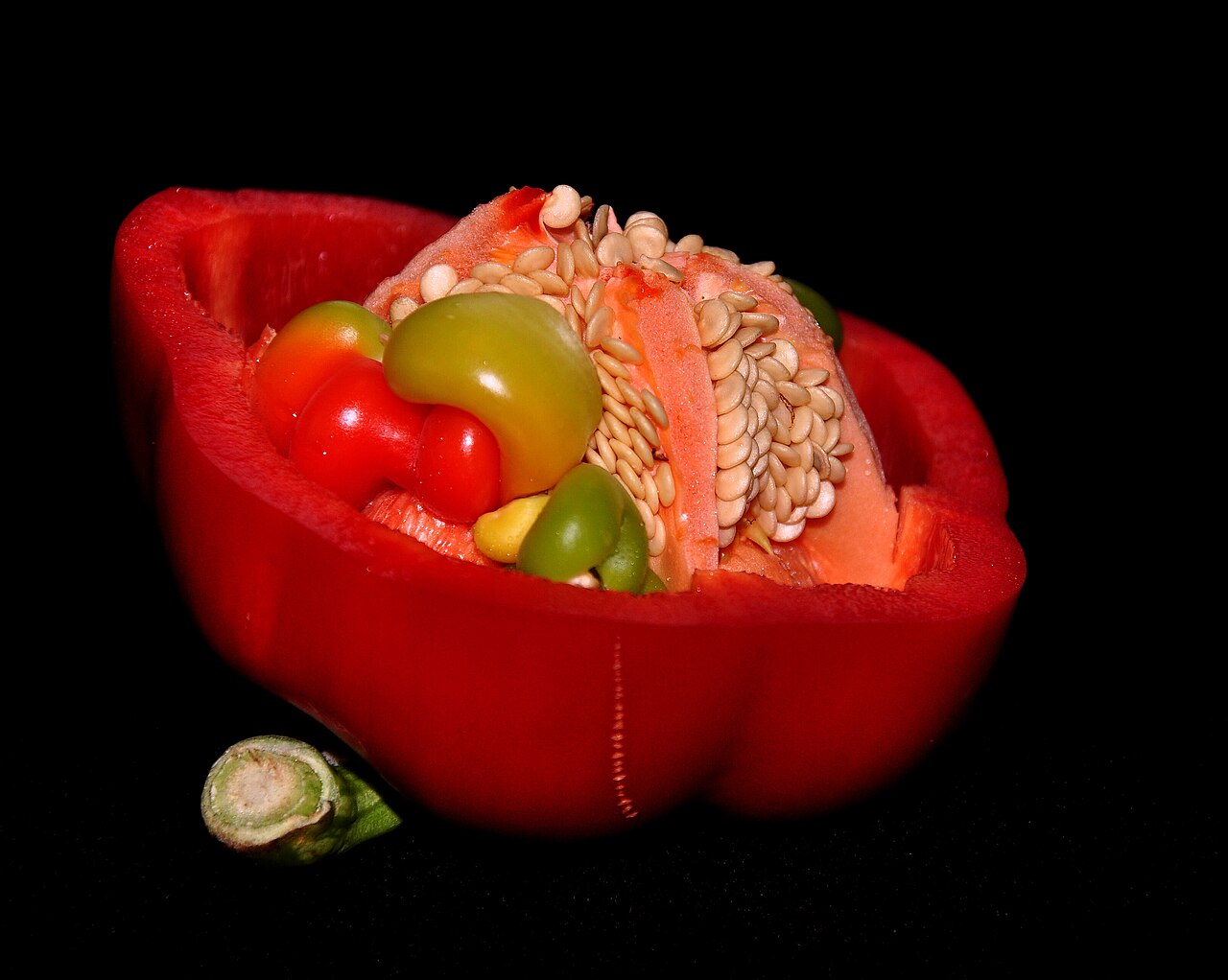
The bell pepper, also known as sweet pepper, paprika, pepper, capsicum, or in some parts of the U.S. Midwest as mango, is the fruit of plants in the Grossum Group of the species Capsicum annuum. Cultivars produce fruits in various colors including red, yellow, orange, green, white, and purple. While botanically fruits classified as berries, they are commonly used as a vegetable ingredient or side dish. Peppers are native to Mexico and Central America, with seeds imported to Spain in 1493 and then spread through Europe and Asia.
- native_region
- Mexico, Central America
Lore & Background
Peppers are native to Mexico and Central America. Capsicum originated in a broad region of South America including Bolivia, Brazil, and Peru, being transported to Mesoamerica and the Caribbean before the arrival of Europeans. In Mesoamerica, it was domesticated and C. annuum became the parent to the cayenne, bell, and jalapeño peppers, while the tabasco pepper is a cultivar of Capsicum frutescens. Peppers are one of the oldest domesticated crops based on findings in caves in Mexico, Peru, and Ecuador, suggesting use around 7,000 years ago. The Spanish introduced peppers to Europe, and both the Spanish and Portuguese played significant roles in their spread to Africa, India, and Southeast Asia. The word 'pepper' derives from the Sanskrit word pippali meaning 'long pepper.' The name Capsicum is derived from the Latin word capsa meaning 'box.' The earliest documented use of the term bell pepper in English is generally cited as the 19th century. The name pepper was applied in Europe to all known spices with a hot and pungent taste and was extended to genus Capsicum when introduced from the Americas. Red, yellow, and green bell peppers are sometimes packaged and sold together under names like 'tricolor' or 'stoplight mix.'
Reader's Guide
Bell peppers are significant as a widely cultivated, non-pungent variety of Capsicum annuum, used globally as a culinary vegetable and in the production of paprika. Their domestication in Mesoamerica and subsequent spread via Spanish and Portuguese trade routes made them a staple in many cuisines and cultures. The fruit's color variation—from green (unripe) to red, yellow, orange, and others—reflects ripening stages and cultivar differences, with red peppers providing more vitamin C and vitamin A than green ones. Their versatility in dishes—from salads and pizza toppings to stuffed peppers—and their role as a key ingredient in paprika underscore their enduring agricultural and culinary importance.
Did You Know?
- Bell peppers are botanically berries, though commonly used as vegetables.
- Red bell peppers are simply ripened green peppers, except for the 'Permagreen' variety which stays green when ripe.
- The name 'pepper' derives from the Sanskrit word pippali, meaning 'long pepper.'
- In some parts of the U.S. Midwest, bell peppers are called 'mango.'
Ancient Roots: Cultivation in the Americas
Long before European contact, Capsicum plants were already woven into the daily lives of people across the Americas. Archaeological evidence places their use in human diets as far back as roughly 7,500 BC, making them among the oldest deliberately cultivated crops on the continent. The earliest centers of domestication appear to have been in what is now Peru and Bolivia, with independent cultivation also taking root in east-central Mexico around 6,000 years ago, in highland Peru and Bolivia, and in the Amazon basin. These early farmers selected for self-pollinating varieties, a trait that made the plants remarkably practical for small-scale agriculture. Today, Peru retains the greatest diversity of cultivated Capsicum, serving as a crossroads where all five domesticated species were introduced, grown, and consumed in pre-Columbian times. Bolivia, meanwhile, hosts the richest array of wild pepper varieties, and its people have long distinguished between two broad fruit forms: the small, round ulupicas and the slender, elongated arivivis.
The Columbian Exchange and European Adoption
In 1493, a physician named Diego Álvarez Chanca sailed home to Spain aboard Christopher Columbus's second voyage to the West Indies, carrying with him Capsicum fruits that would transform Old World cooking. Columbus and his crew had dubbed the pungent berries "peppers" (pimientos) because their heat reminded them of black pepper, though the two plants belong to entirely different families. Chanca went further than mere nomenclature: in 1494 he published the first European account of chili peppers' medicinal applications. Unlike Piper vines, which demand tropical conditions, chilies proved adaptable to temperate climates, and by the mid-1500s they were a staple garden plant in Spain, woven into countless regional dishes. Their continental spread was swift: Italy recorded them by 1526, Germany by 1543, and the Balkans by 1569, where they were eventually processed into the paprika familiar today. This rapid adoption was part of the broader Columbian exchange, the sweeping interchange of plants, animals, and cultures between the New and Old Worlds.
Global Dispersal Across Africa, Asia, and the Pacific
The journey of chili peppers beyond Europe was largely driven by Portuguese and Spanish maritime trade in the sixteenth century, though the precise routes remain poorly documented. The Portuguese carried chilies first to Africa and the Arabian Peninsula, then onward to their colonial outposts and trading posts across Asia, including Goa, Sri Lanka, and Malacca. From those coastal hubs, the peppers radiated inland through local commerce and natural dispersal, taking root in South Asian and western Southeast Asian cuisines. Simultaneously, the Spanish introduced chilies to the Philippines, where they subsequently spread to Melanesia, Micronesia, and other Pacific Island chains via the Manila galleon trade, a route the Spanish controlled exclusively. The arrival of chilies in East Asia is less well traced, but likely occurred through local trade networks or through Portuguese and Spanish ports in Canton, China, and Nagasaki, Japan. The earliest known reference to the chili pepper in Chinese writing appears in 1591, although the plant is believed to have entered the country as early as the 1570s.
Botany, Growing Conditions, and Practical Cultivation
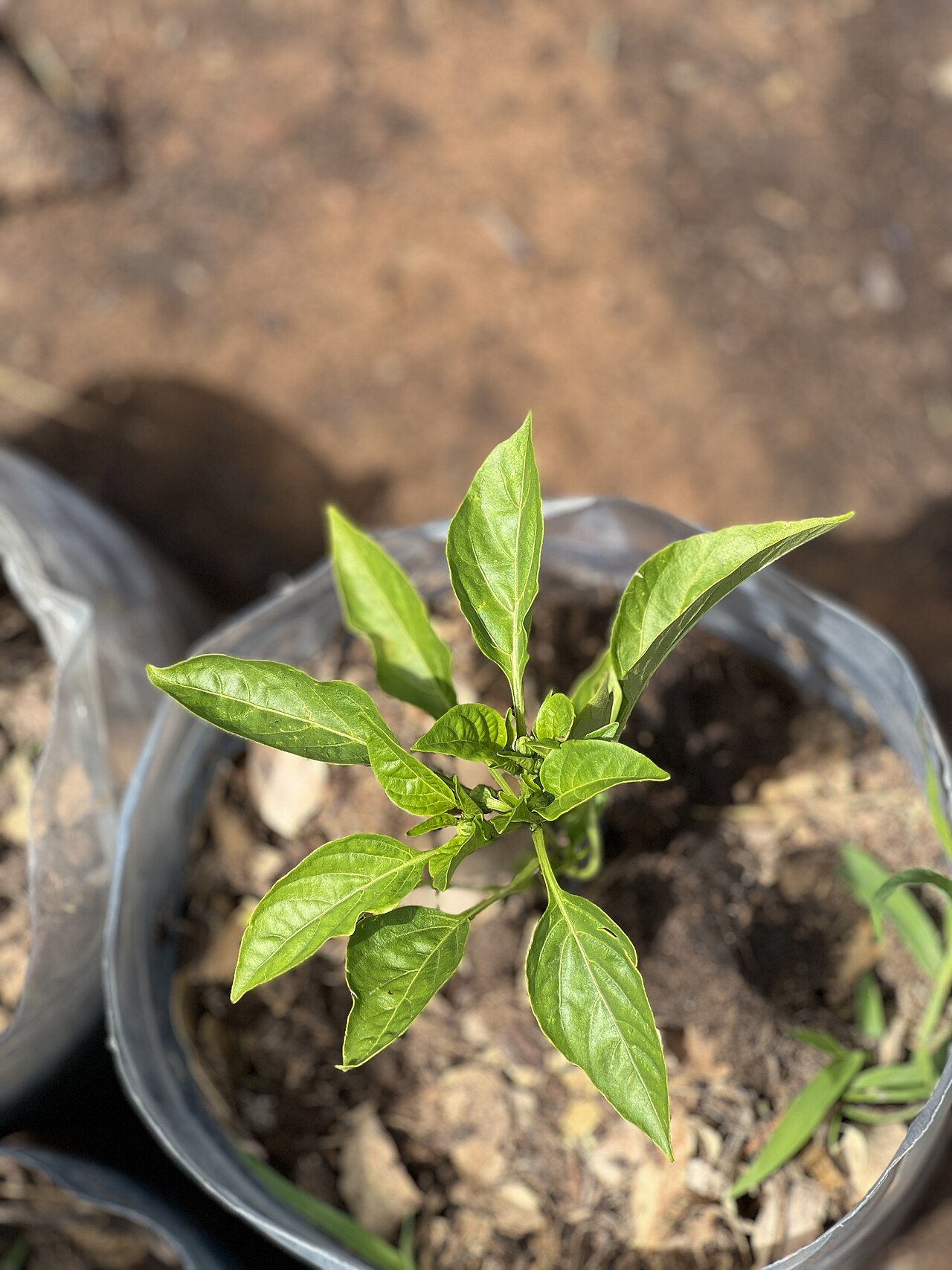
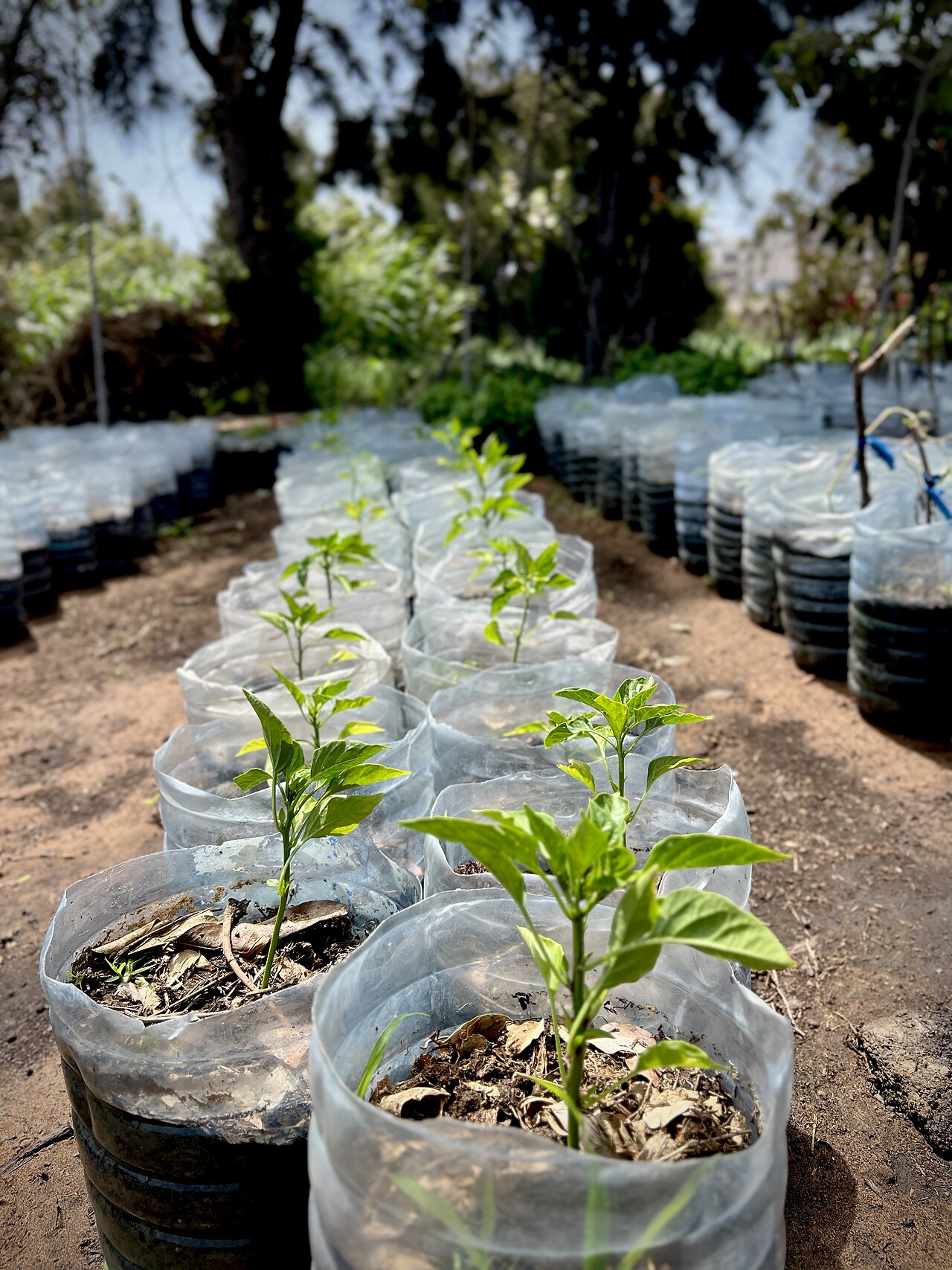
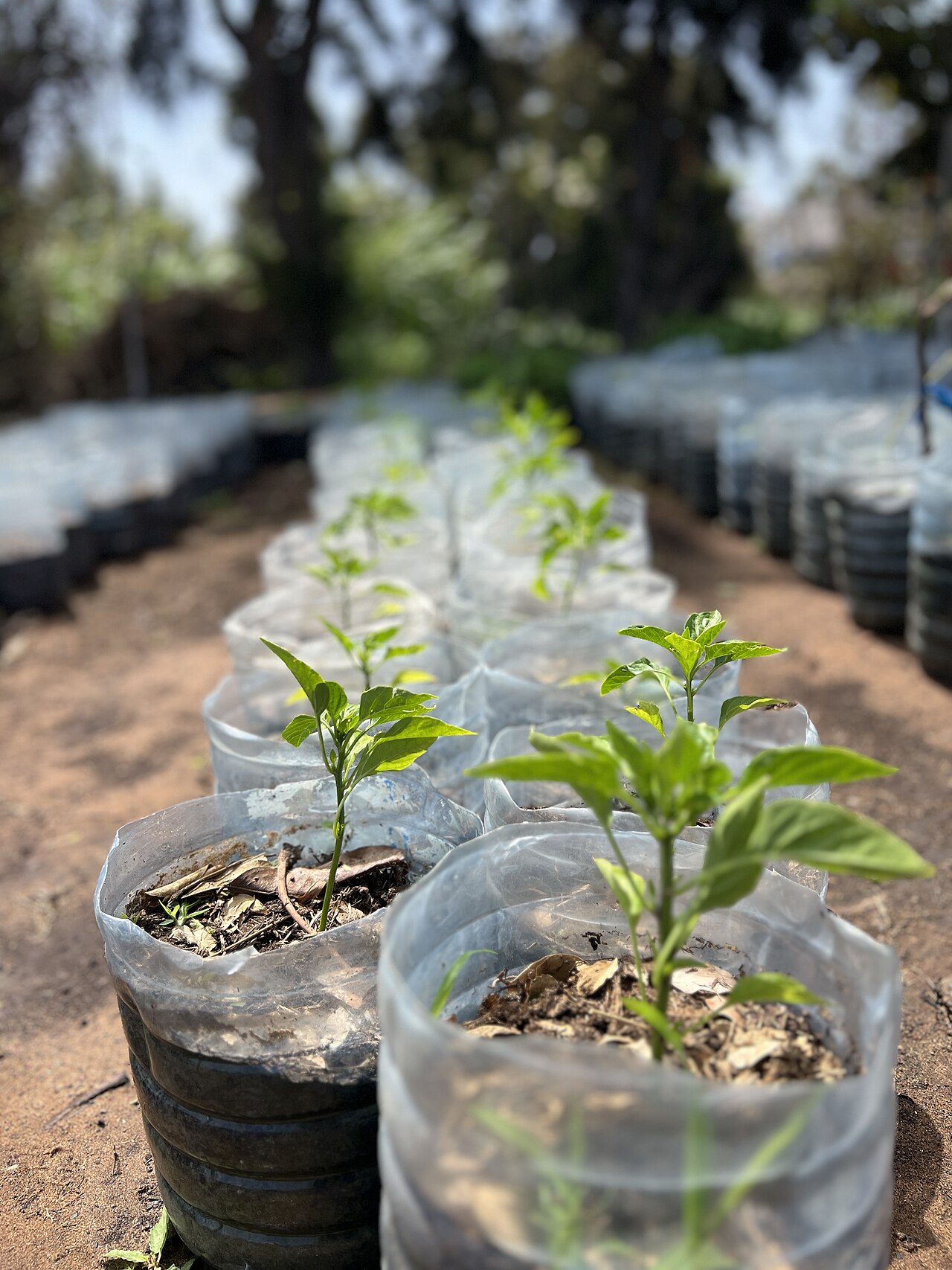
Botanically, chili peppers are berries produced by small perennial plants in the genus Capsicum, members of the nightshade family Solanaceae. Depending on the variety, the plants stand between 20 and 60 centimetres tall, a size that makes them well suited to pots, greenhouses, or commercial polytunnels. Their fruits come in green, orange, red, or purple hues and range in shape from round and knobbly to smooth and elongated. Growers face a practical trade-off: picking fruits while still green and unripe encourages the plant to produce additional flowers and a larger harvest, whereas leaving fruits on the vine allows them to ripen, deepen in colour, and increase in heat at the cost of fewer total fruits. Ideal conditions include a sunny spot with warm, moist loamy soil at roughly 21 to 29 °C, and seeds germinate best near 21 °C. The plants tolerate temperatures down to 12 °C but are sensitive to cold, and at extreme highs of 30 to 38 °C, pollen viability drops sharply, reducing fruit set. Pests such as aphids, red spider mites, and whiteflies feed on the sap, while grey mould caused by Botrytis cinerea can rot tissues and leave a brownish-grey coating on the surface.
Gallery
Frequently Asked Questions
Who is Bell pepper?
Bell pepper is the sweet, non-pungent berry produced by plants in the Grossum Group of Capsicum annuum, and it goes by many names including sweet pepper, paprika, capsicum, and even "mango" in parts of the U.S. Midwest.
What are Bell pepper's powers/role?
Its defining trait is a complete absence of heat, which makes it a go-to vegetable ingredient and side dish in cuisines around the globe. Depending on the cultivar, it shows up in a wide palette of colors—red, yellow, orange, green, white, and purple.
Where did Bell pepper originate?
Bell pepper is native to Mexico and Central America, with seeds first carried to Spain in 1493 before gradually spreading throughout Europe and Asia over the following centuries.
Why is Bell pepper important to the produce world?
As a botanically classified berry that the world treats as a vegetable, it bridges the fruit-and-vegetable divide and serves as a staple in kitchens globally. Its non-pungent nature clearly sets it apart from the spicy Capsicum annuum relatives fans know as hot peppers.
What's Bell pepper's endgame in the kitchen?
Bell pepper is most commonly consumed as a vegetable ingredient or side dish, appearing raw in salads, stuffed, roasted, or sautéed as a supporting player in countless recipes worldwide.
More in Peppers & Citrus Fruits 1-17
Spotted an error? Know more?
This is a living reference — every entry is fact-audited, and reader corrections feed straight into our audit queue. Suggest an edit · See this site's audit record