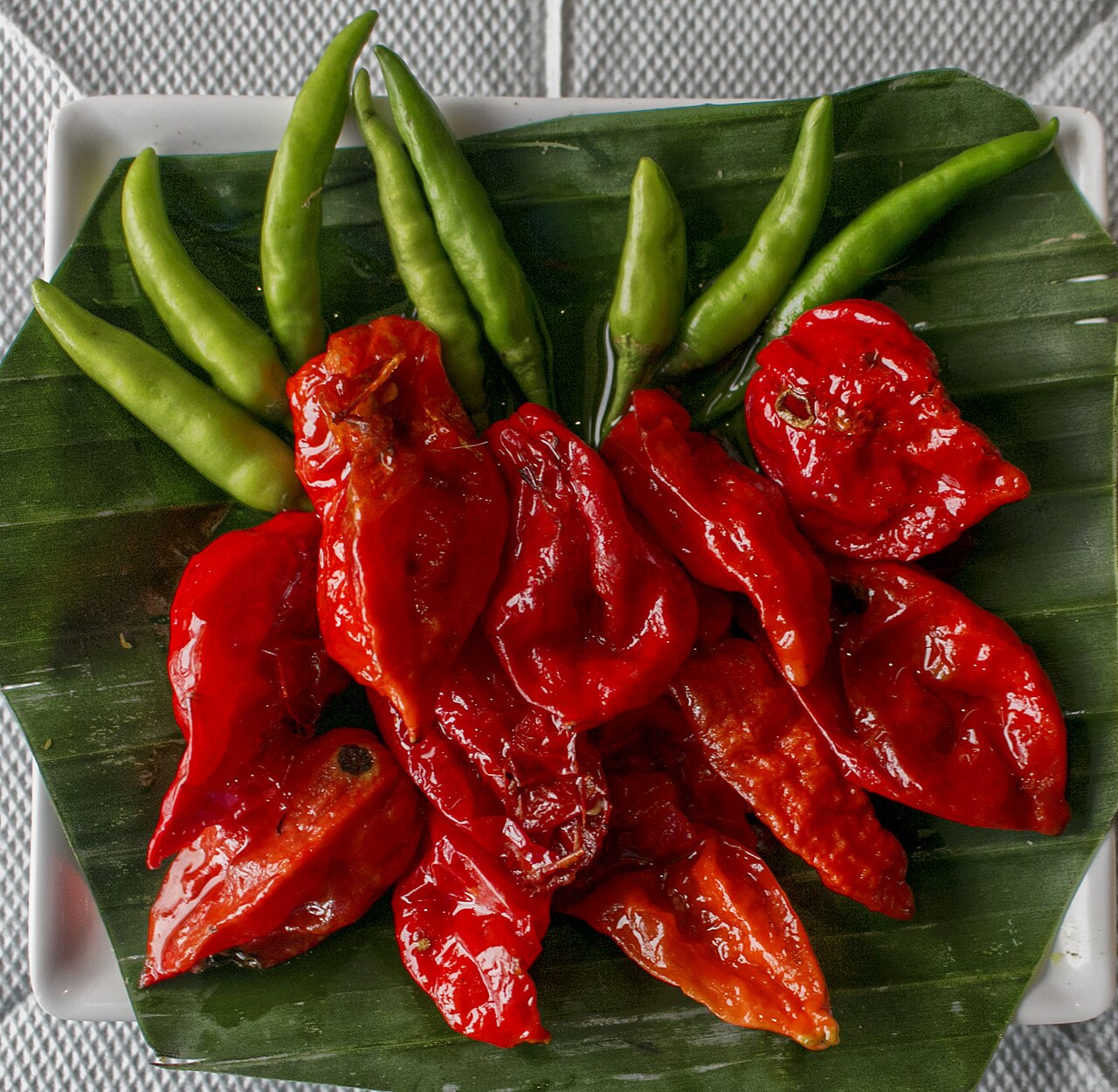
Ghost pepper
A superhot chili pepper once certified as the world's hottest.

Vikramjit Kakati · CC BY-SA 4.0
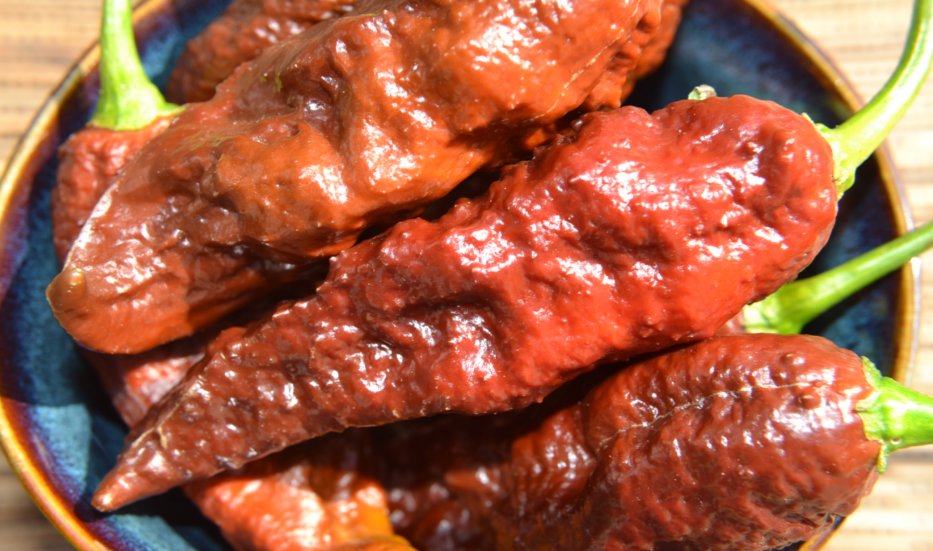
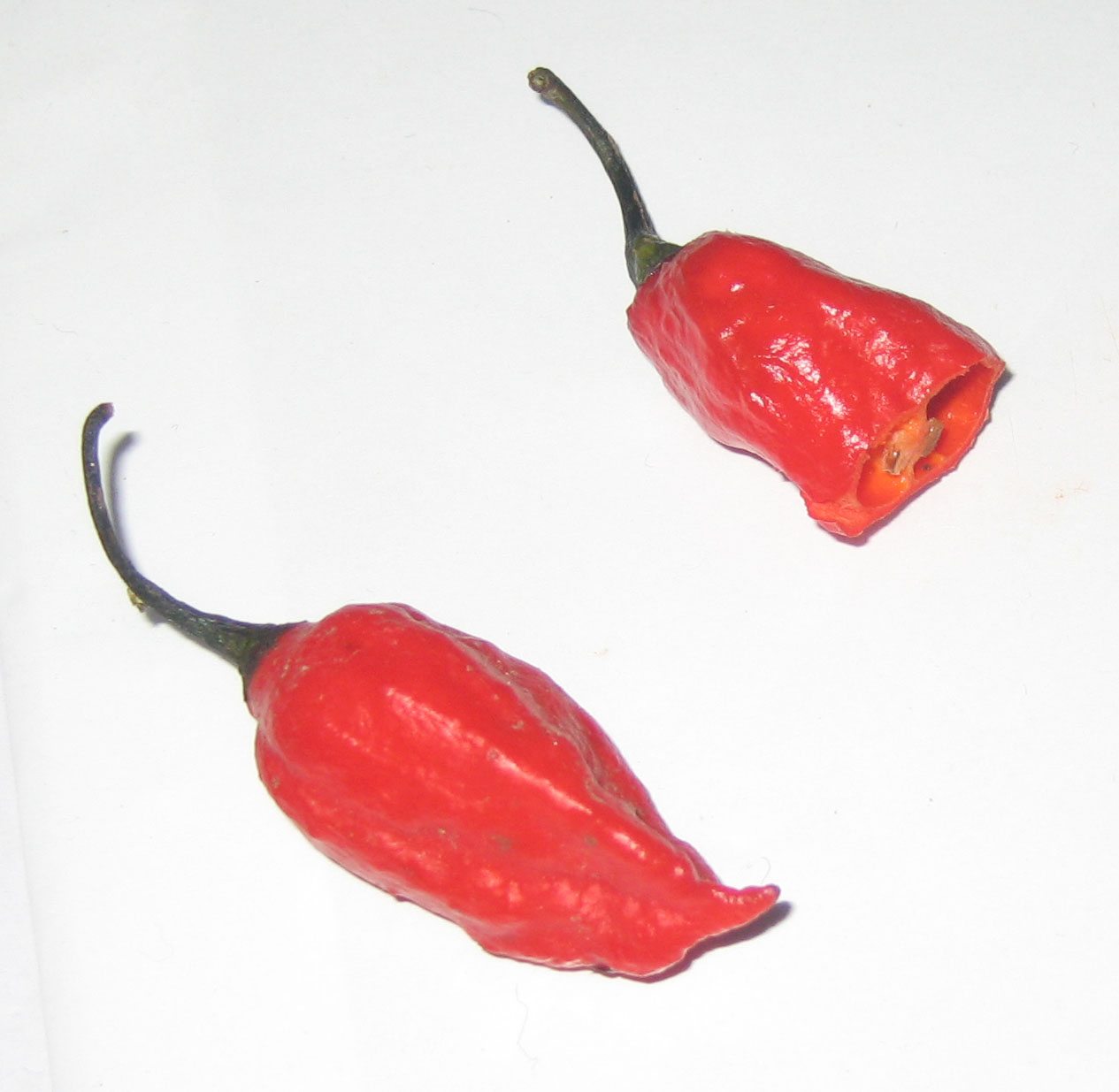
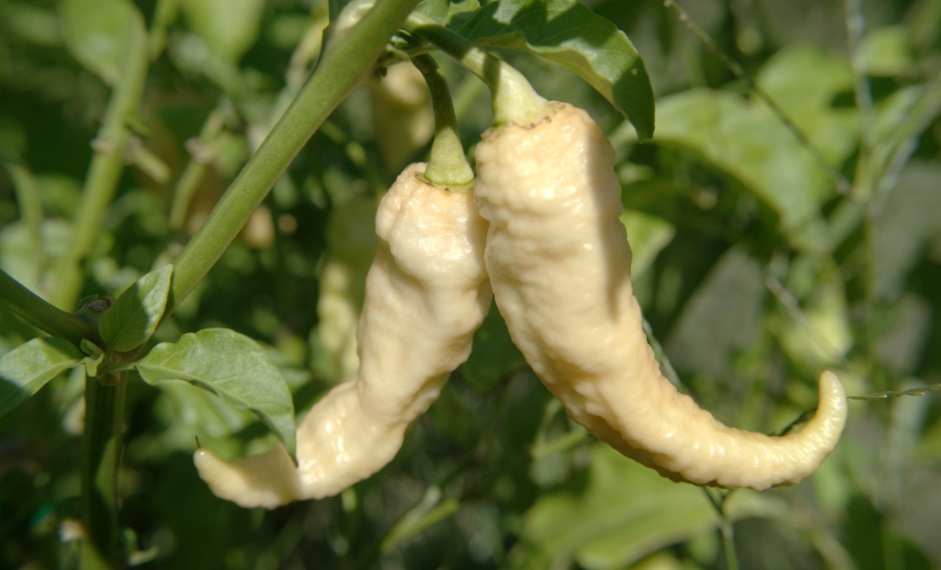
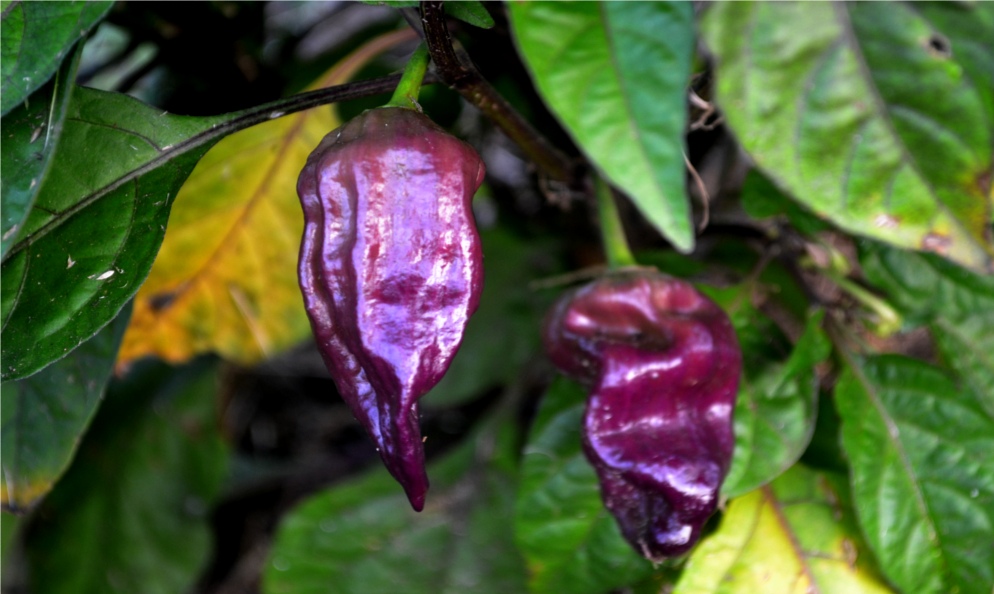
The ghost pepper, also known as bhut jolokia or naga jolokia, is a superhot chili pepper cultivated in Northeast India.
- species
- Capsicum chinense (with genetic material from Capsicum frutescens)
- cultivation_region
- Northeast India (Assam, Nagaland, Manipur)
- alternative_names
- bhut jolokia, naga jolokia, king chili, Tezpur chili, umorok
- fruit_length
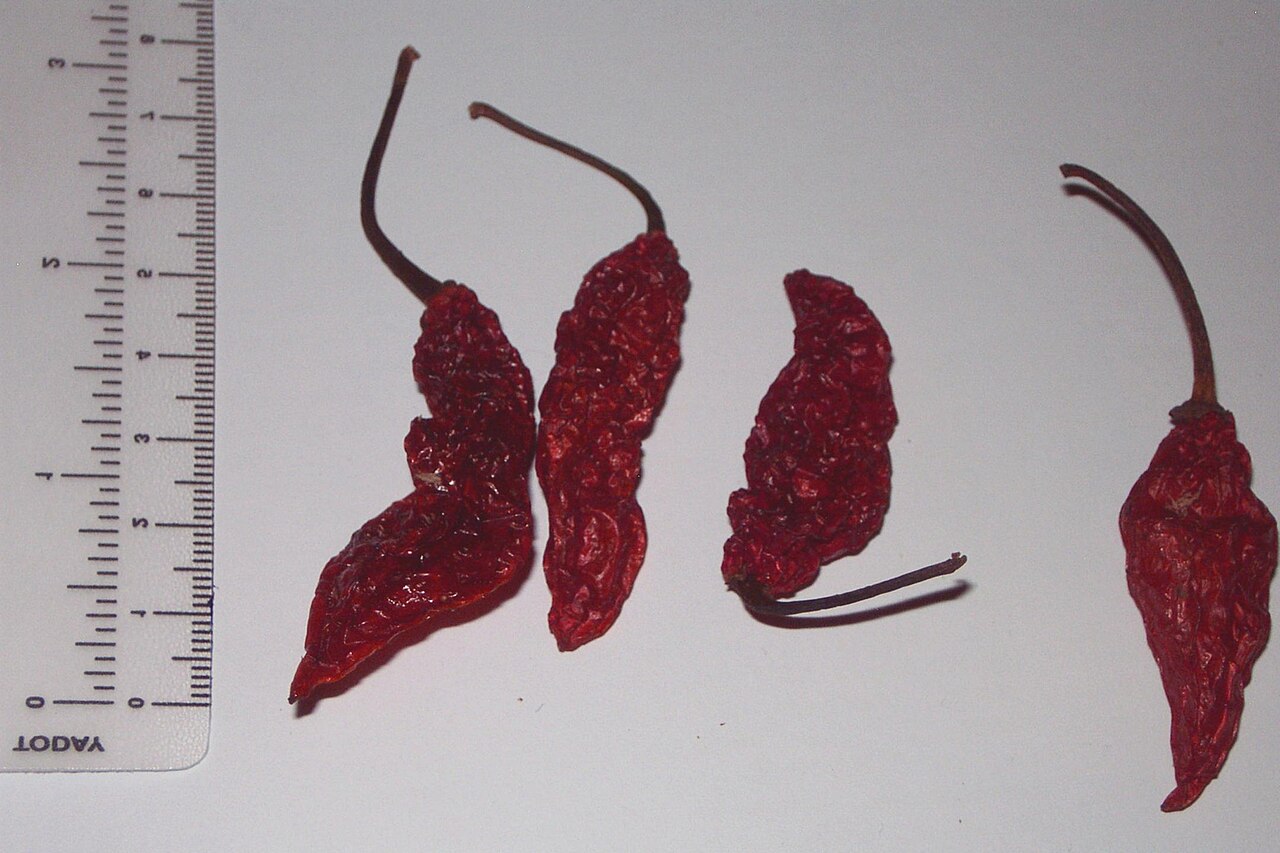
- 60 to 85 mm
- fruit_width
- 25 to 30 mm
Lore & Background
The ghost pepper belongs to the species Capsicum chinense, though RAPD analysis indicates some genetic material from Capsicum frutescens from an introgression event. The name bhut jolokia means 'Bhutanese pepper' in Assamese, but the first element was mistakenly confused with a near-homonym meaning 'ghost'. In Assam, it is also called bih zôlôkia, meaning 'poison chili', and in Nagaland, it is known as Raja mirja, or 'king chili'.
Reader's Guide
It is used in both fresh and dried forms to heat up curries, pickles, and chutneys, and is popularly combined with pork or dried or fermented fish. Beyond culinary uses, the pepper has been employed in northeastern India as a safety precaution to keep wild elephants at a distance by smearing it on fences or incorporating it into smoke bombs.
Did You Know?
- Ghost peppers produce capsaicin in vesicles not only in the placenta around the seeds but also throughout the fruit.
- The name bhut jolokia originally meant 'Bhutanese pepper' in Assamese, but was mistakenly confused with a word meaning 'ghost'.
Gallery
Frequently Asked Questions
Where is the Ghost pepper grown?
It is cultivated in the northeastern Indian states of Assam, Nagaland, and Manipur. Local nicknames such as Tezpur chili and umorok reflect that specific regional origin.
What is the Ghost pepper's botanical classification?
It is classified under the species Capsicum chinense, though it also carries genetic material from Capsicum frutescens. The ripe fruit typically measures 60 to 85 millimetres in length.
More in Peppers & Citrus Fruits 1-17
Spotted an error? Know more?
This is a living reference — every entry is fact-audited, and reader corrections feed straight into our audit queue. Suggest an edit · See this site's audit record