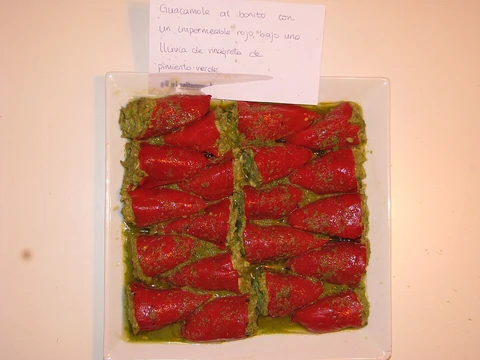
Cayenne pepper
A hot chili pepper used as spice and herbal supplement.

Kolforn ( Kolforn ) I'd appreciate if you could mail me ([email protected]) if y · CC BY-SA 4.0
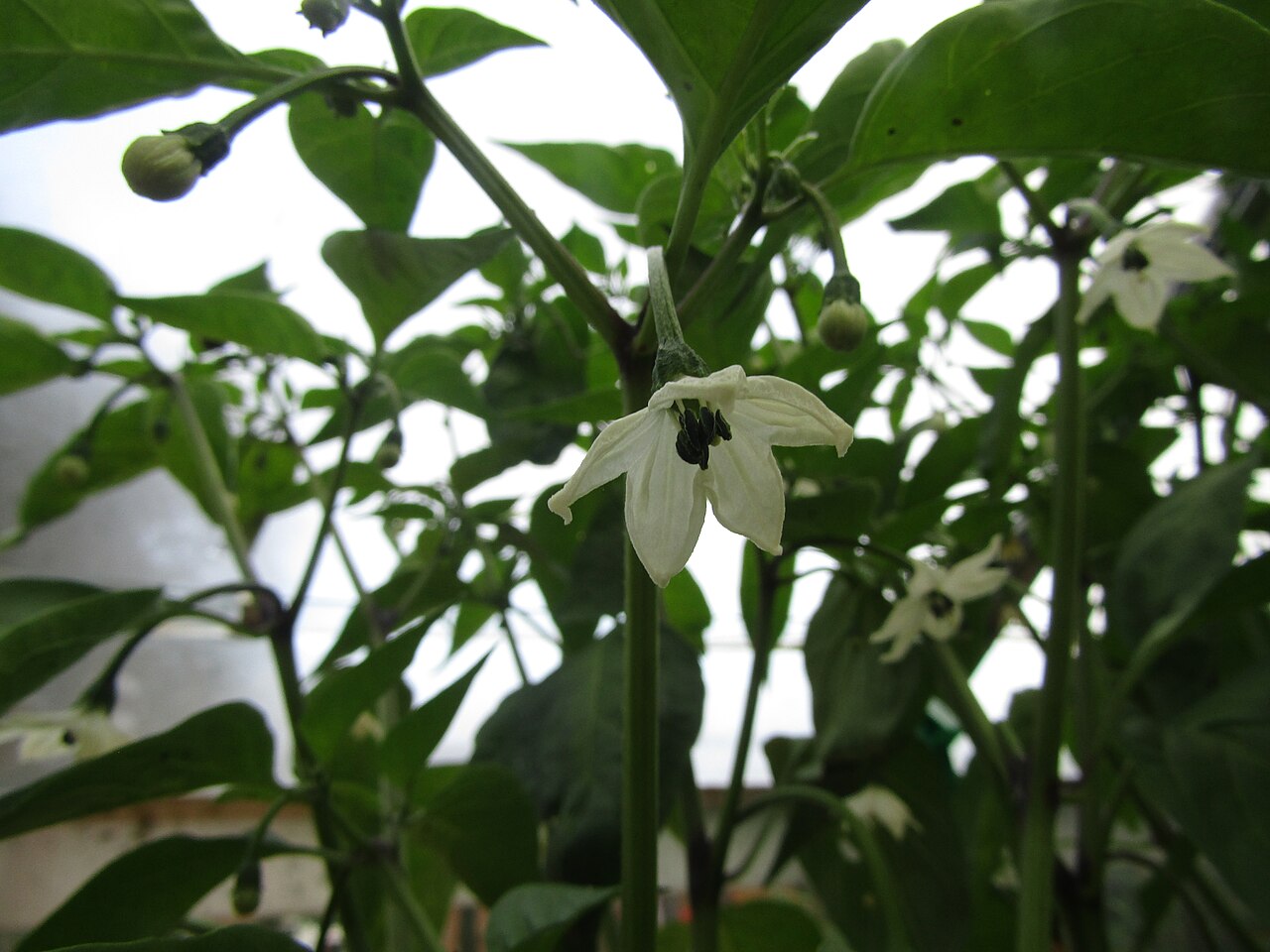
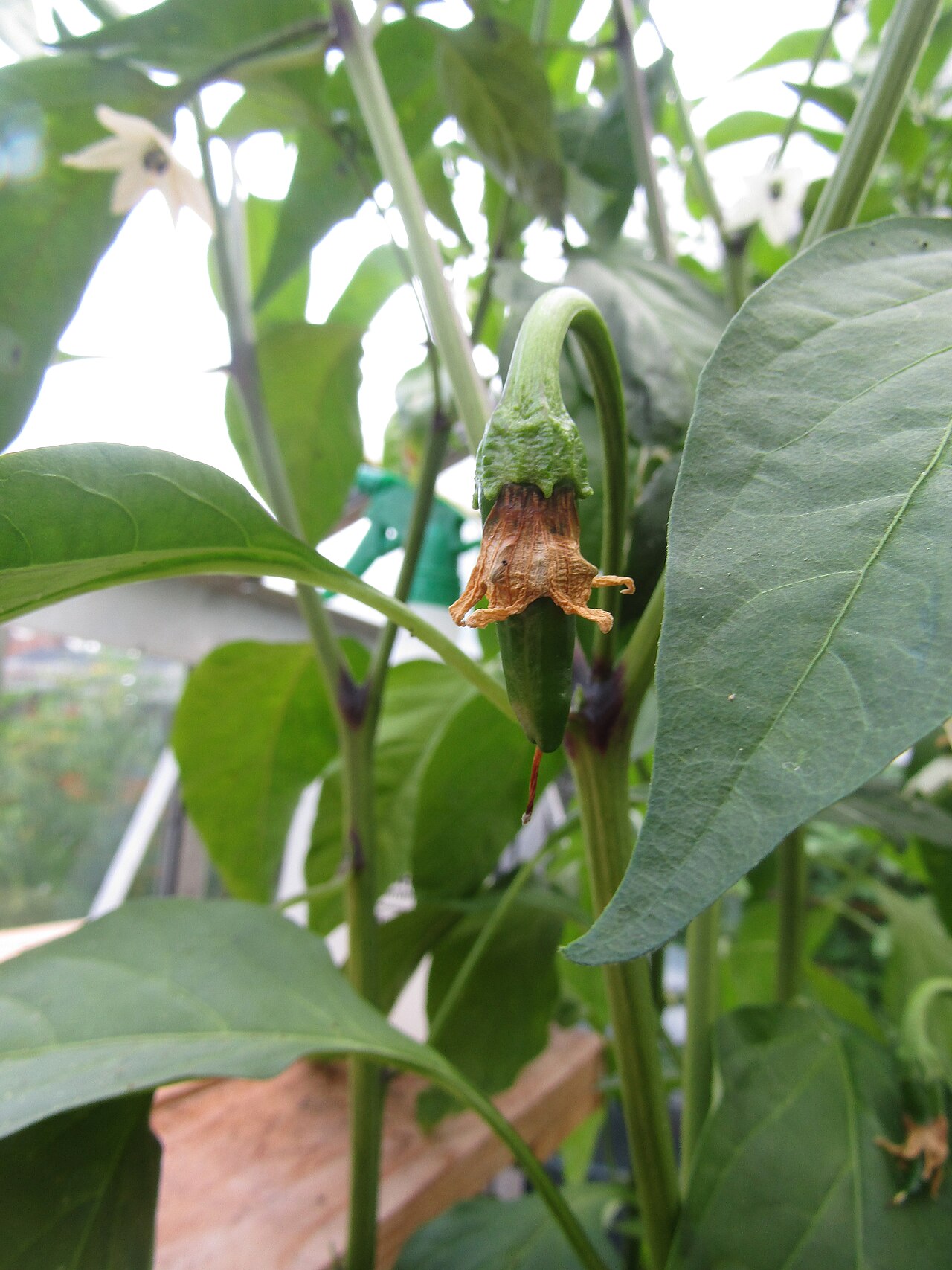
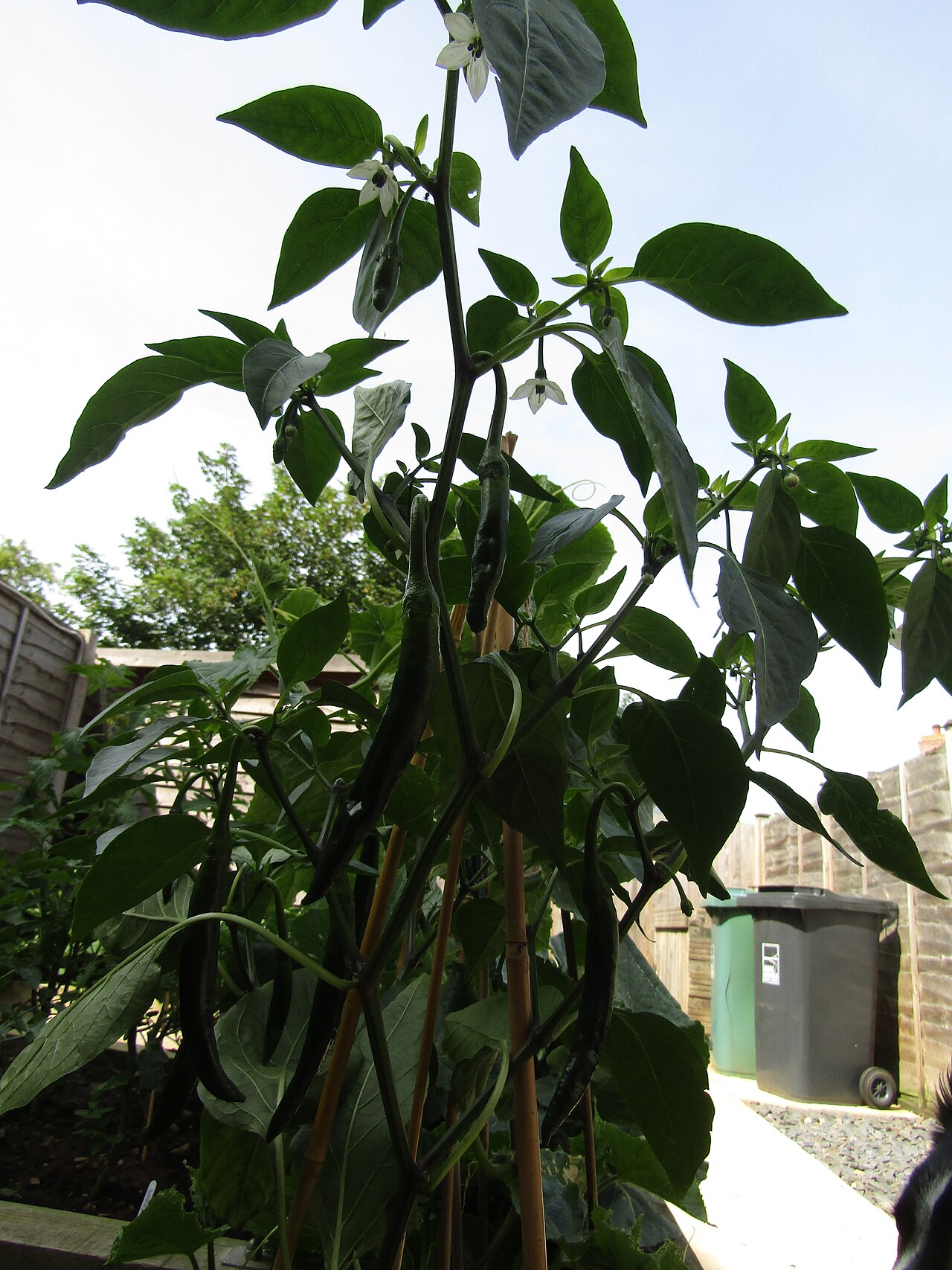
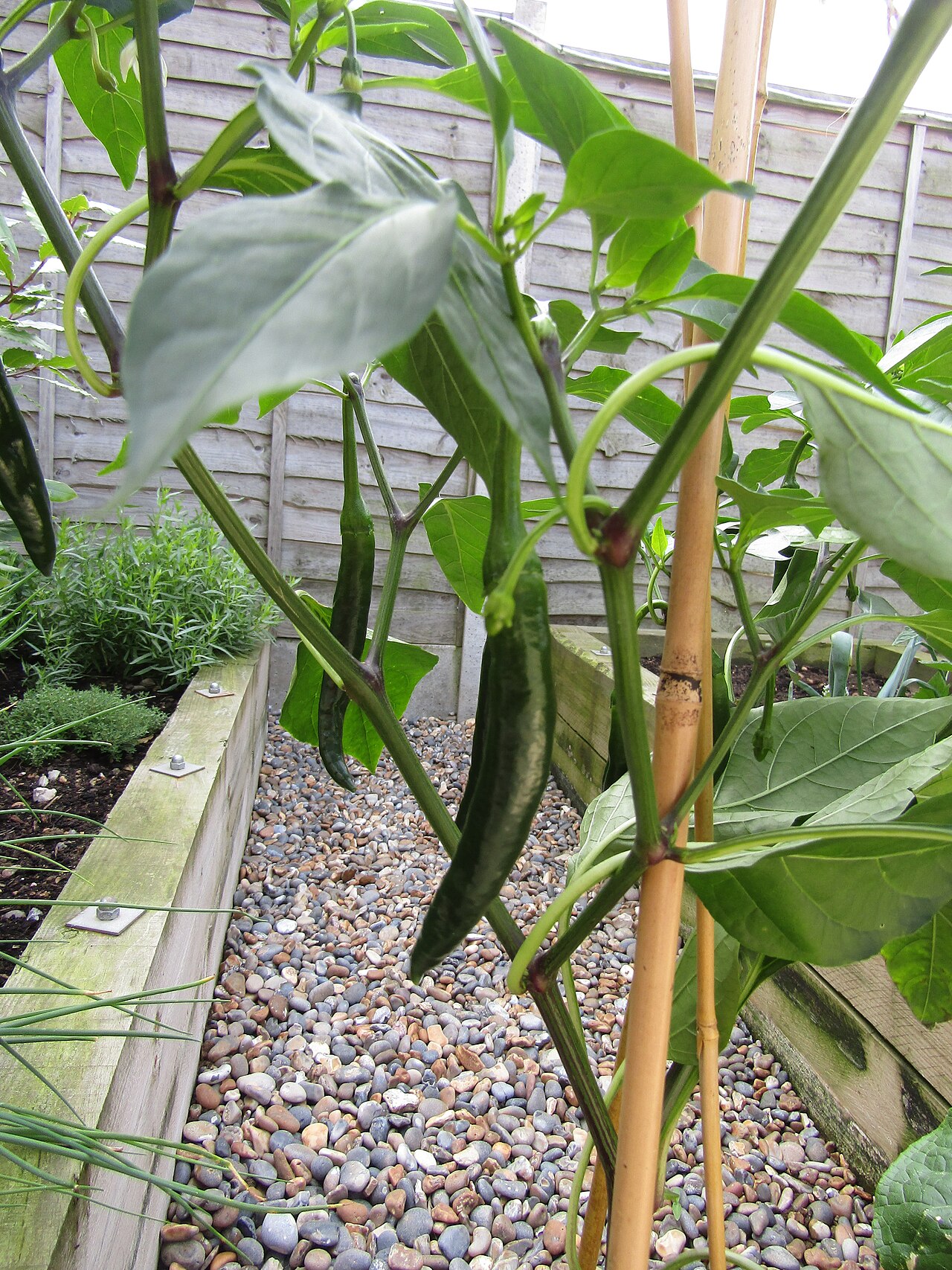
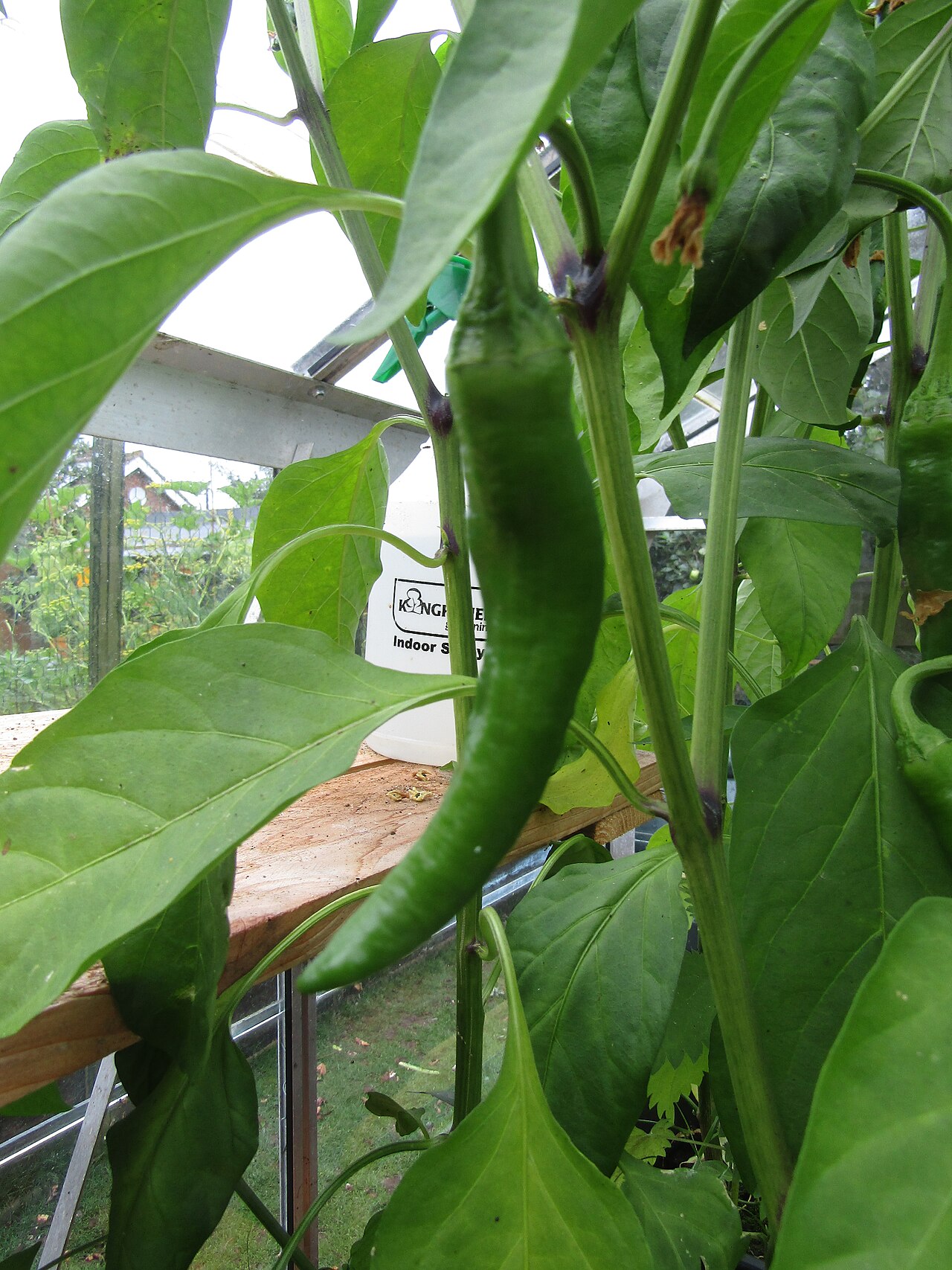
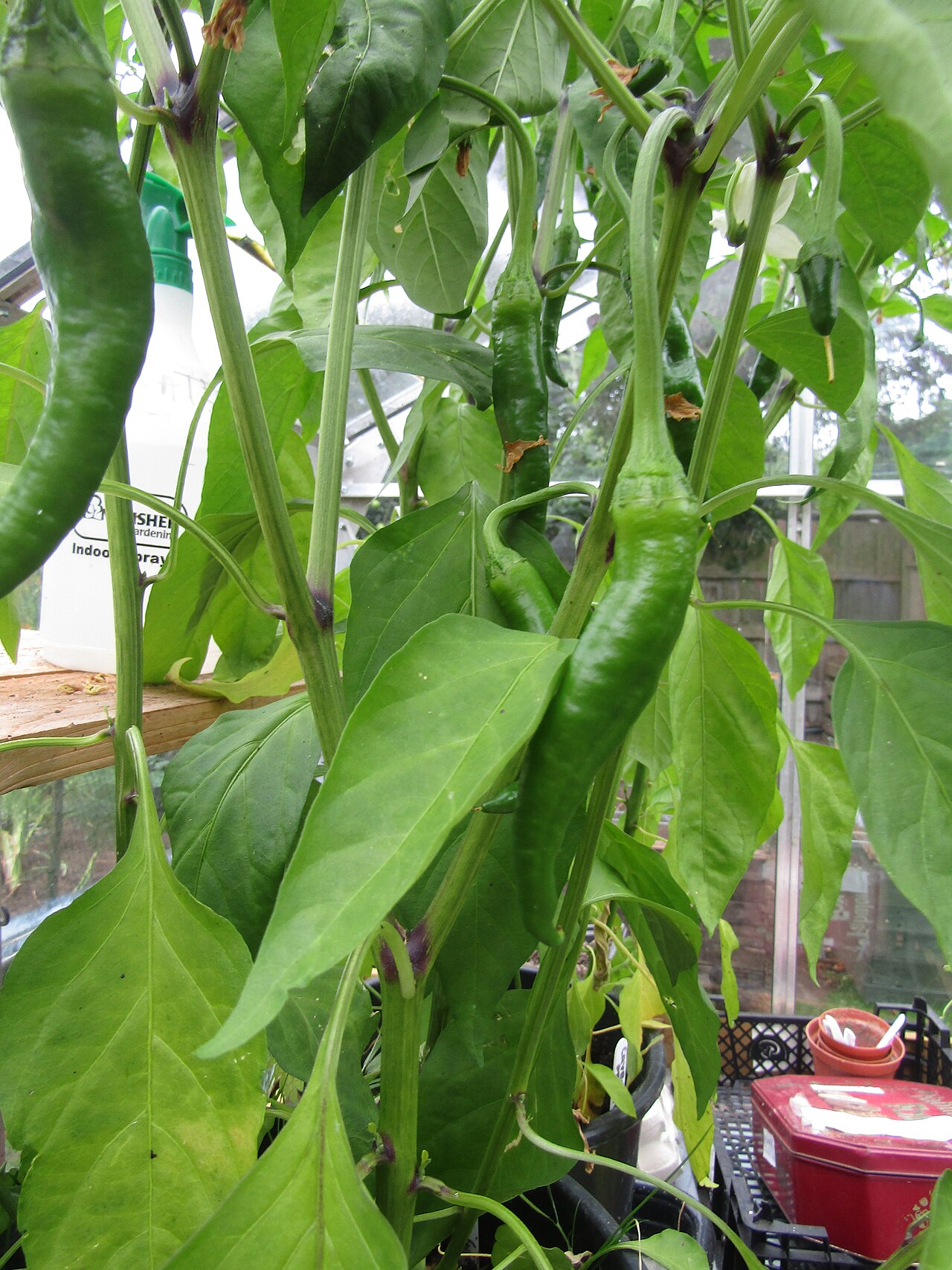
The cayenne pepper is a type of Capsicum annuum, a hot chili pepper used to flavor dishes. It is a group of tapering, 10 to 25 cm long, generally skinny, mostly red-colored peppers, often with a curved tip and somewhat rippled skin, which hang from the bush. The fruits are generally dried and ground to make the powdered spice of the same name, though cayenne powder may be a blend of different types of peppers, quite often not containing cayenne peppers. Cayenne is used in cooking spicy dishes and as a herbal supplement due to its active compound, capsaicin.
- field
- Capsicum annuum cultivar
- known_for
- Hot chili pepper used as spice and herbal supplement
- origin
- Cultivated by indigenous people of the Americas for 7,000 years; originated in what is now French Guiana
- introduced_to_world
- By Christopher Columbus around 1493
Lore & Background
The word cayenne is thought to be a corruption of the word kyynha, meaning 'capsicum' in the Old Tupi language once spoken in Brazil. Cayenne, the capital city of French Guiana, is related to the name and may have been named for the pepper or the Cayenne River. By the end of the 19th century 'Guinea pepper' had come to mean bird's eye chili or piri-piri, although he refers to Capsicum peppers in general in his entry. Cayenne peppers have been cultivated by indigenous people of the Americas for 7,000 years. They were introduced to the rest of the world by Christopher Columbus, around 1493, during his voyages to the New World. They originated in what is now French Guiana. Cayenne peppers are considered 'the poor man's pepper' as there was a shortage of spices in Europe at the time of their discovery. Peppers were seen as a sign of luxury. The shortage of spices was caused by myths of their origins and heavy taxes by the Ottoman Empire. Cayenne peppers had a big role in ending the spice shortage because they were easy to grow and could be a substitute for expensive, high-demand spices like black pepper. In the 19th century, modern cayenne peppers were classified as C. longum, later synonymised with C. frutescens. Cayenne powder, however, has generally been made from the bird's eye peppers, classified in the 19th century as C. minimum. There are many specific cultivars, such as Cow-horn, Cayenne Sweet, Ring of Fire, and NuMex Las Cruces Cayenne. Although most modern cayenne peppers are red, there are yellow and purple varieties.
Reader's Guide
Cayenne pepper holds significance as a versatile spice and herbal supplement that helped alleviate the European spice shortage following its introduction by Christopher Columbus around 1493. Its ease of cultivation allowed it to substitute for expensive spices like black pepper, earning it the moniker 'the poor man's pepper.' The pepper's active compound, capsaicin, makes it valuable as a herbal supplement, while its nutritional content—rich in provitamin A, carotenoids, and vitamin C—adds to its utility. In cuisine, cayenne is used fresh or as dried powder on seafood, eggs, meats, stews, casseroles, cheese dishes, hot sauces, and curries. In North America, the primary cultivar in crushed red pepper is cayenne, and it appears in hot sauces such as Frank's RedHot, Texas Pete, and Crystal. The legacy of cayenne pepper includes its role in ending the spice shortage and its continued global use. However, the term 'cayenne powder' can be ambiguous, as it may be a blend of different chili peppers, often not containing actual cayenne peppers. The pepper's taxonomy has also been subject to historical reclassification, with modern cayenne peppers once classified as C. longum and later synonymised with C. frutescens, while cayenne powder was traditionally made from bird's eye peppers (C. minimum). This complexity reflects the pepper's deep history and ongoing culinary and botanical relevance.
Did You Know?
- The word cayenne is thought to be a corruption of the Old Tupi word kyynha, meaning 'capsicum'.
- Cayenne peppers have been cultivated by indigenous people of the Americas for 7,000 years.
- Cayenne powder may be a blend of different types of peppers, quite often not containing cayenne peppers.
Gallery
Frequently Asked Questions
What is Cayenne pepper?
Cayenne is a cultivar of Capsicum annuum, a slender tapering chili that typically measures 10 to 25 cm, with a slightly curved tip, rippled skin, and a mostly red color. It grows hanging in clusters from the bush and is one of the most recognizable hot peppers in home kitchens.
Where did Cayenne pepper originate?
Indigenous peoples of the Americas have cultivated cayenne-type peppers for roughly 7,000 years, with the lineage tracing back to what is now French Guiana. Christopher Columbus is credited with carrying the pepper to the wider world around 1493.
What is Cayenne pepper commonly used for?
In cooking, cayenne is most often dried and ground into a vivid red powder that adds heat to sauces, spice rubs, and other dishes. It also shows up as a herbal supplement, prized for its capsaicin content.
Does cayenne powder always contain actual cayenne peppers?
Not necessarily; many commercial 'cayenne' powders are blends of assorted chili peppers and may contain little or no true cayenne fruit. The name has become more of a generic label for a medium-hot red pepper powder than a strict botanical designation.
More in Peppers & Citrus Fruits 1-17
Spotted an error? Know more?
This is a living reference — every entry is fact-audited, and reader corrections feed straight into our audit queue. Suggest an edit · See this site's audit record