
Bergamot orange
A fragrant citrus hybrid used in tea and perfumery.

Leslie Seaton from Seattle, WA, USA · CC BY 2.0
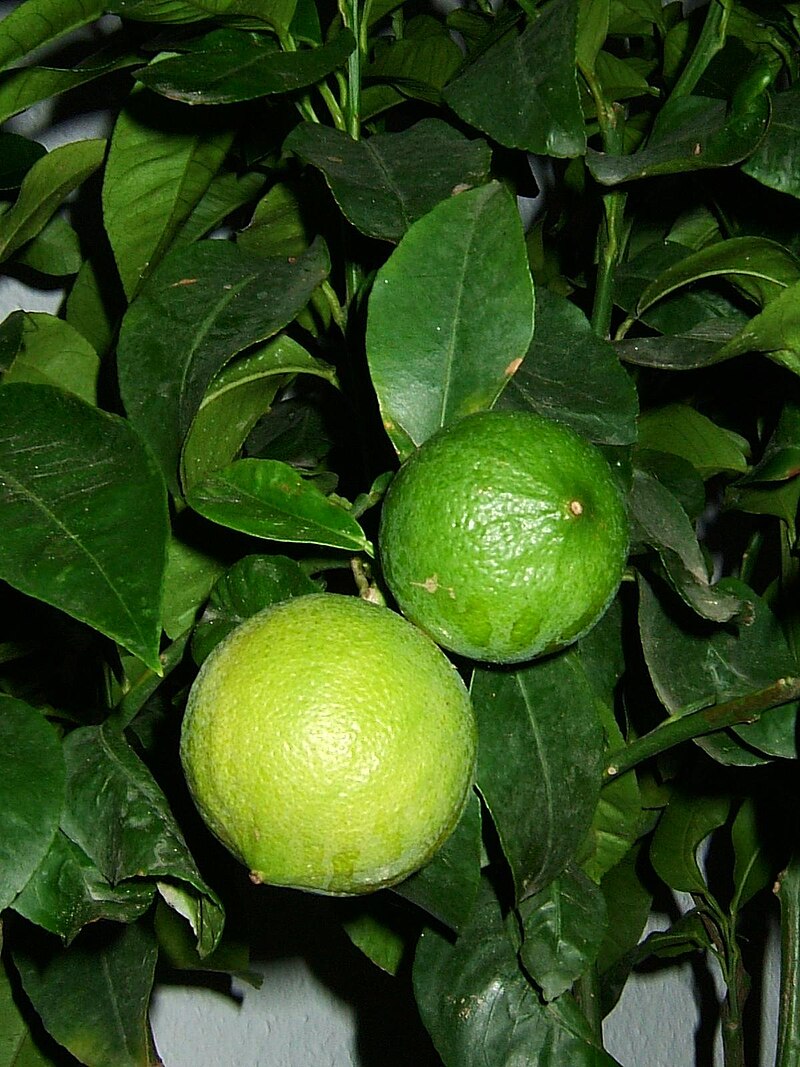
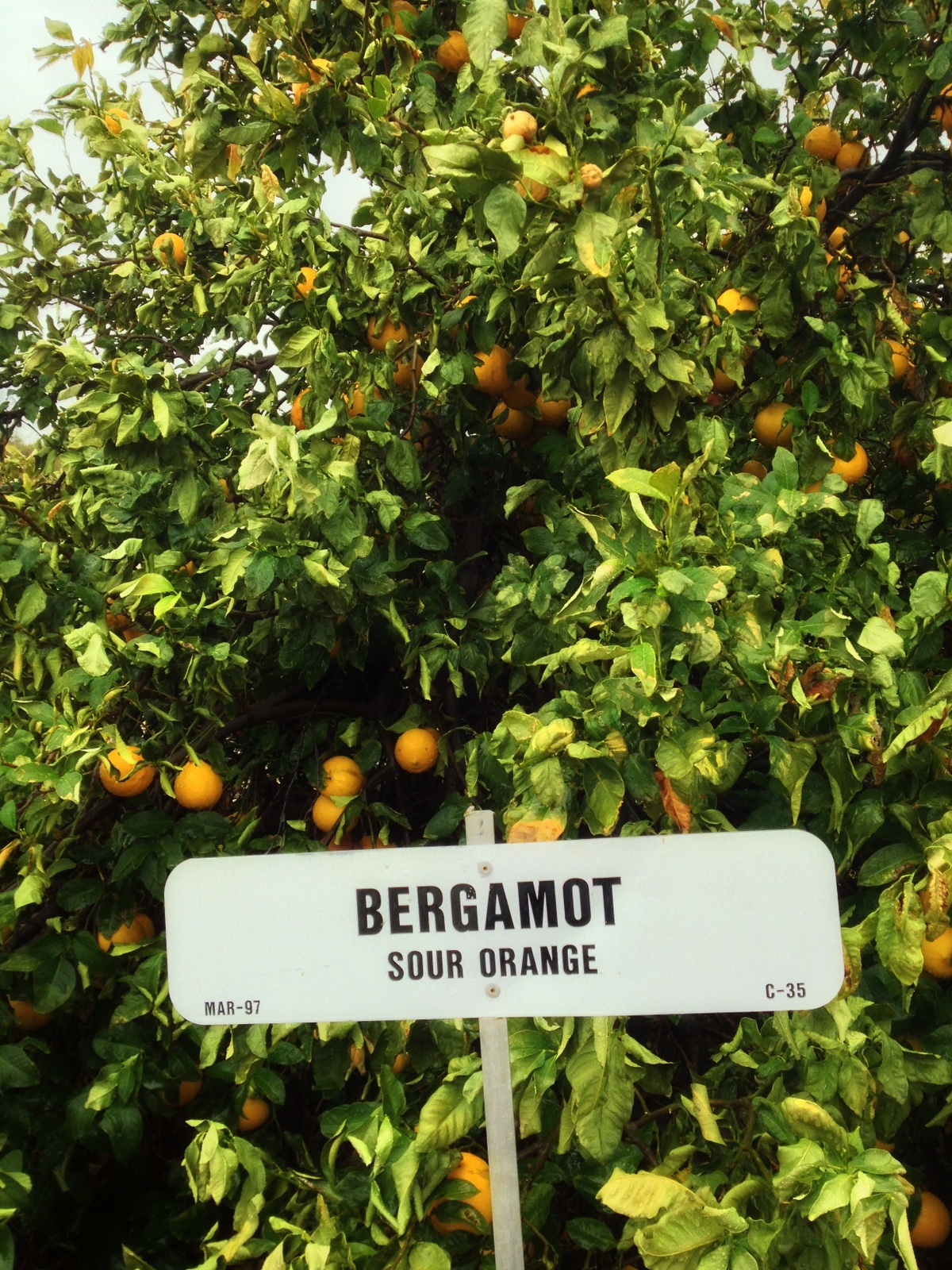
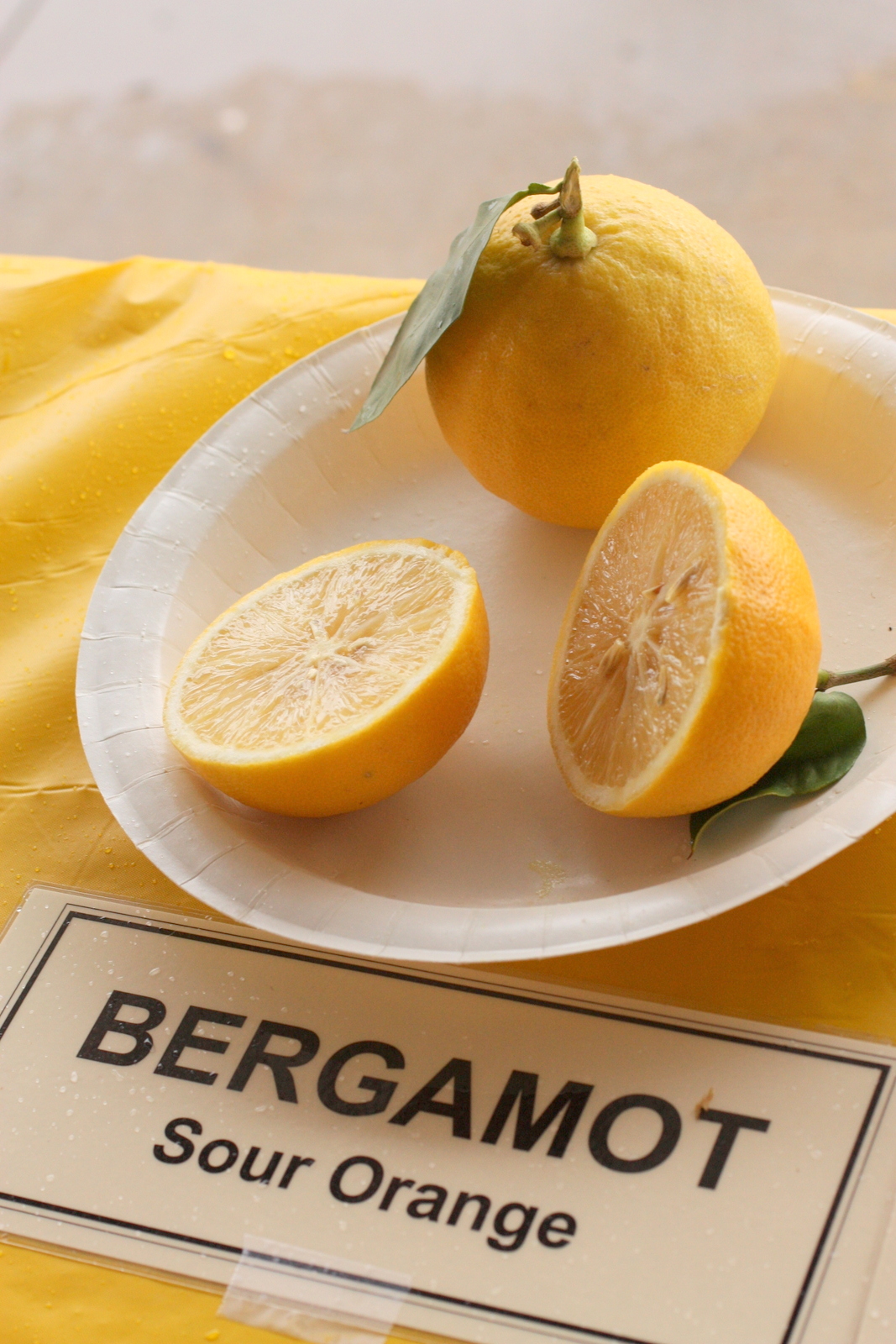
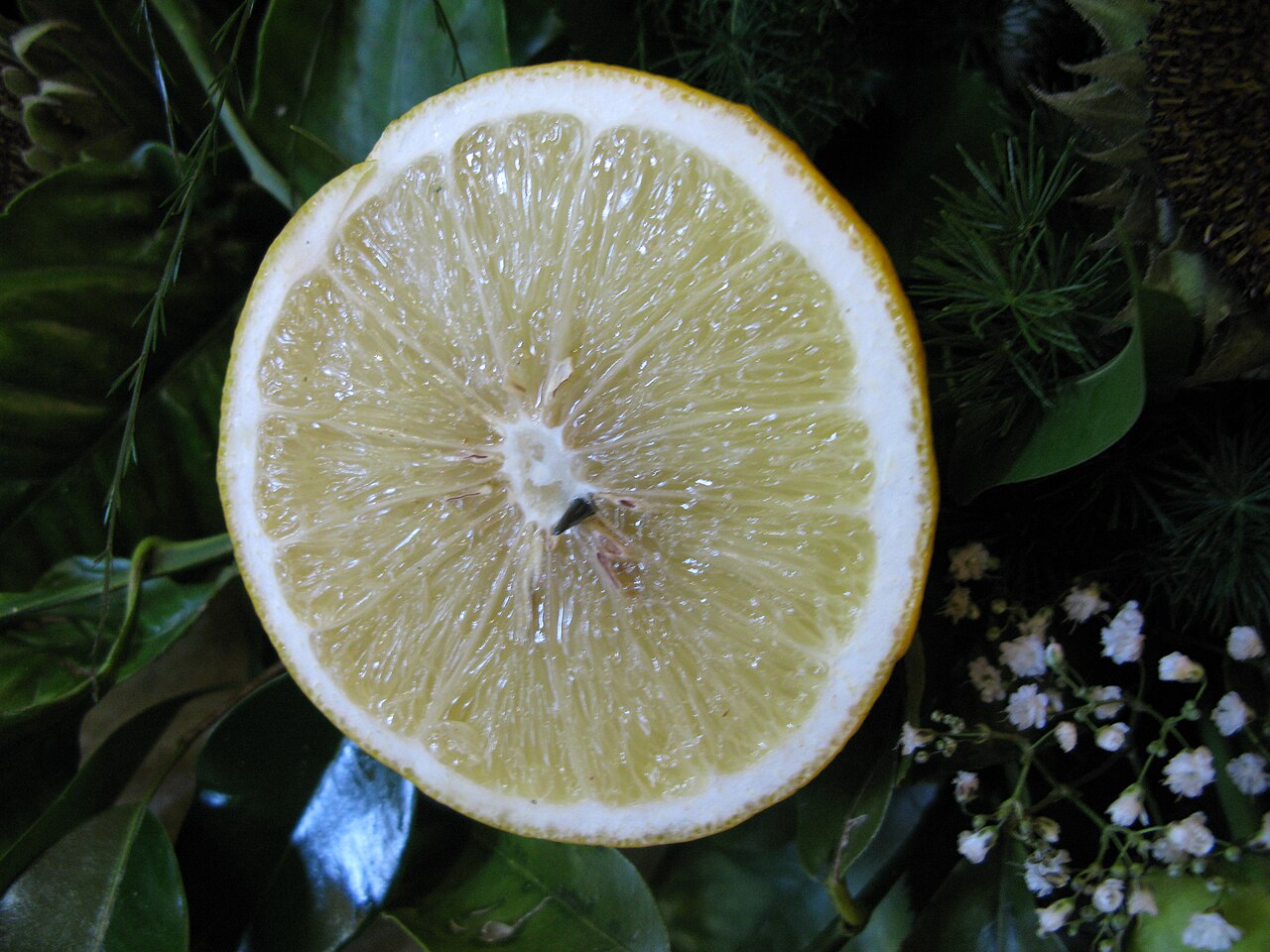
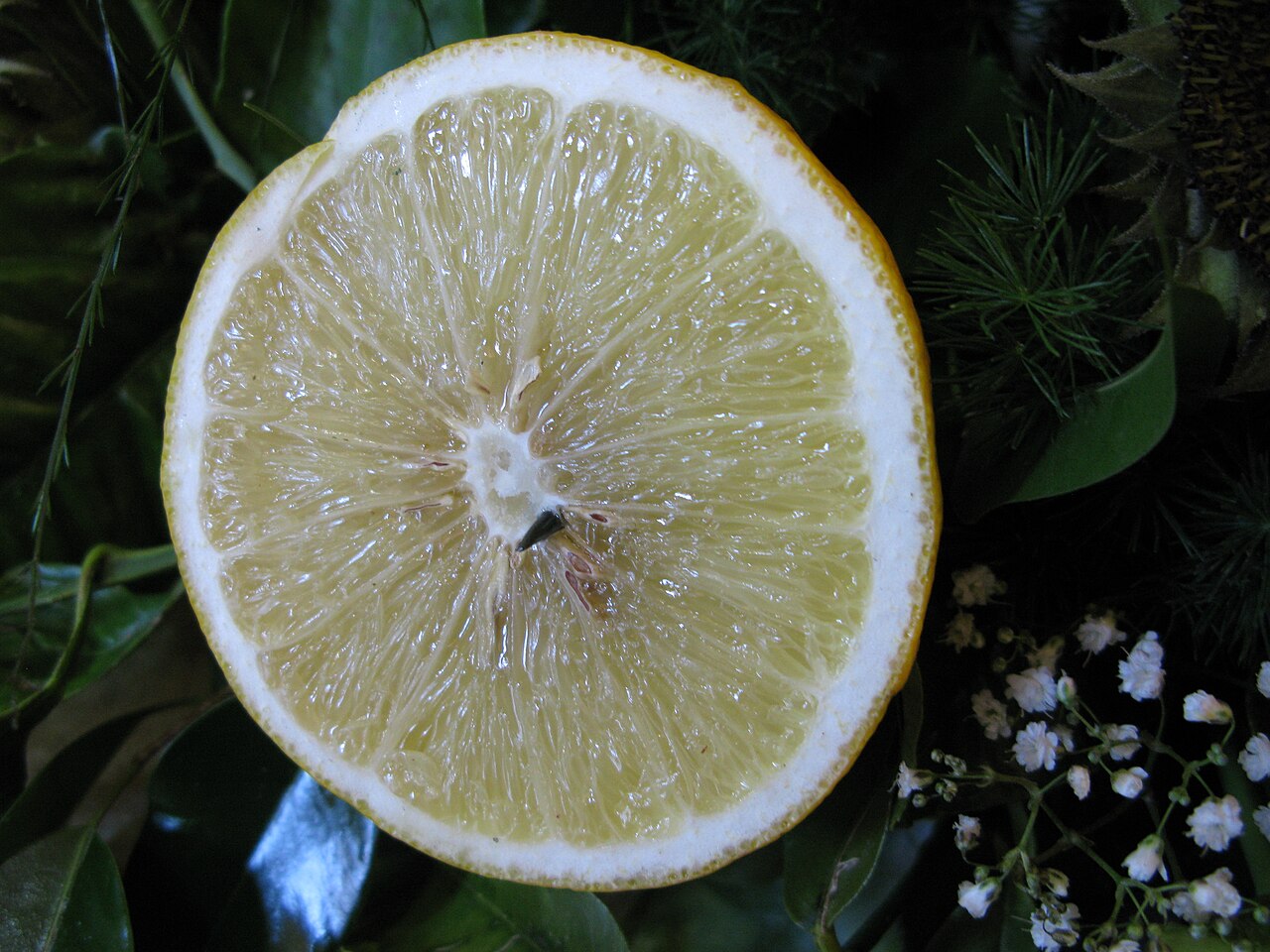
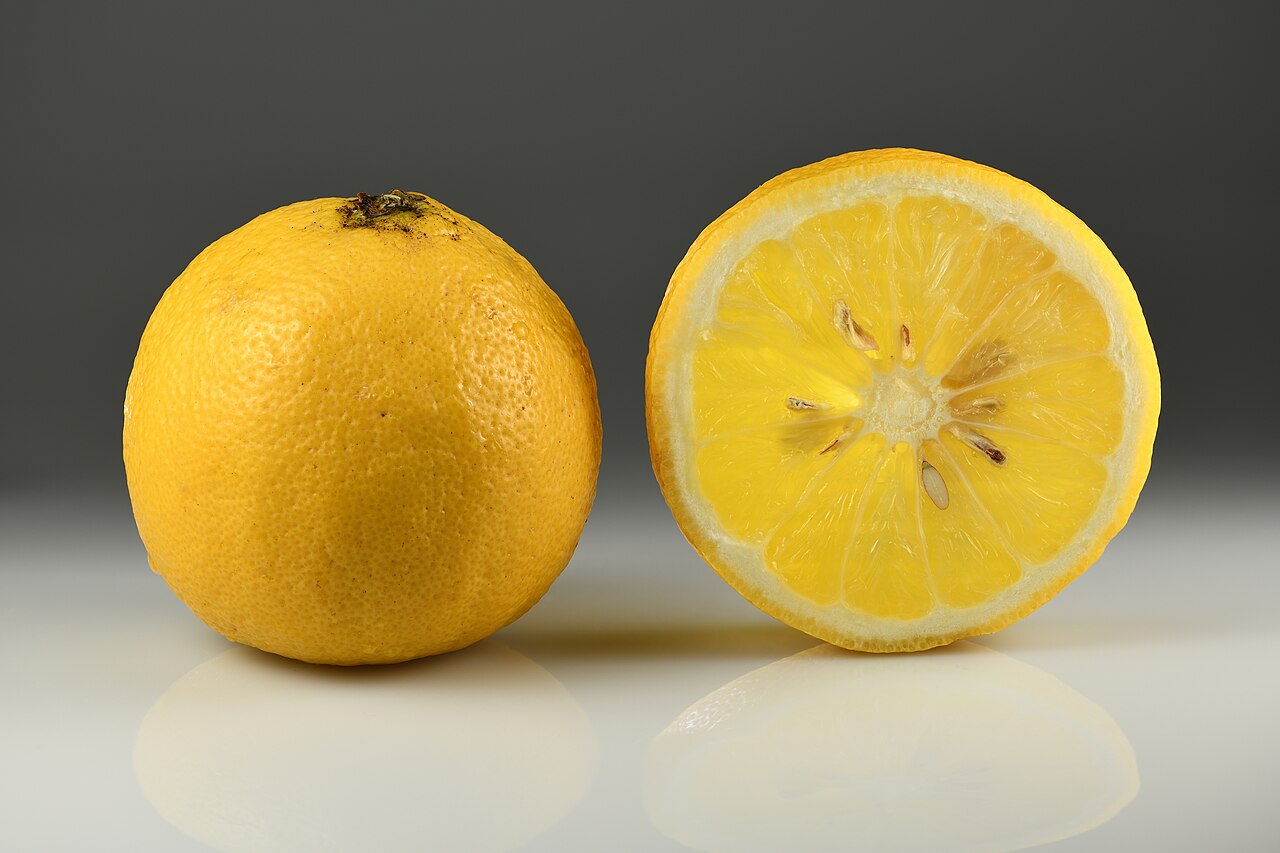
Citrus bergamia, commonly known as the bergamot orange, is a fragrant citrus fruit the size of an orange, with a yellow or green color similar to a lime, depending on ripeness. Genetic research indicates it is a probable hybrid of lemon (itself a hybrid of citron and sour/bitter orange) and bitter orange. Extracts have been used as an aromatic ingredient in food, tea, snus, perfumes, and cosmetics.
- type
- Citrus fruit
- hybrid_parents
- Lemon and bitter orange
- primary_growing_region
- Mediterranean areas, especially Reggio di Calabria, Italy
- known_for
- Flavoring Earl Grey tea and use in perfumery
- cultivars
- Feminello, Fantastico, Castagnaro
Lore & Background
The bergamot orange is a small tree that blossoms during the winter. Its juice tastes less sour than lemon but more bitter than grapefruit. The fruit is grown mostly in Mediterranean areas, with large-scale production in the Ionian Sea coastal areas of the province of Reggio di Calabria in Italy, where the climate is favorable. Three traditional cultivars are Feminello, Fantastico, and Castagnaro. Bergamot is also grown in southern France, the Ivory Coast, Antalya in southern Turkey, Mauritius, Argentina, Brazil, North Africa, Iran, and Greece.
Reader's Guide
The bergamot orange is significant primarily for its essential oil, which is a key flavoring in Earl Grey and Lady Grey teas, as well as in confectionery and Swedish snus. In perfumery, it is prized for its ability to combine with other scents. However, its use on skin can increase photosensitivity, leading to greater damage from sun exposure. Adulteration with cheaper oils has been a problem, leading the Italian government to introduce testing and certificates of purity.
Did You Know?
- One hundred bergamot oranges yield about 3 ounces (85 g) of bergamot oil.
- The bergamot orange is unrelated to the herbs known as bergamot, wild bergamot, or bergamot mint, which are in the mint family.
- During World War II, rival products from Brazil and Mexico came onto the market as substitutes, but were produced from other citrus fruits such as sweet lime.
- The word 'bergamot' may trace to Turkish 'beg armudu' ('prince's pear'), though its etymology is disputed and not definitively linked to Bergamo.
Origins and Botanical Character
Yuzu is a citrus fruit of Chinese descent, believed to have emerged in central China as a first-generation hybrid between the mangshanyeju—a wild subspecies of mandarin orange—and the ichang papeda. It grew wild across Tibet and central China before being carried to Japan and Korea during the Tang dynasty, where it remains a cultivated staple. The plant takes the form of an upright shrub or small tree bristling with large thorns, and its leaves carry a distinctive leaf-like petiole that closely echoes those of makrut lime and ichang papeda. The fruit itself looks like a rough-skinned yellow clementine, typically measuring between 5.5 and 7.5 centimeters in diameter, though specimens can swell to the size of a grapefruit at ten centimeters or more. One of yuzu's most remarkable traits is its cold tolerance; owing to its papeda parentage, it can endure winter temperatures as low as minus seven degrees Celsius, a threshold that would kill most other citrus. It also grows slowly, often needing a full decade before producing its first crop, though grafting onto karatachi can accelerate that timeline.
A Pillar of East Asian Kitchens
In Japan, yuzu occupies a role much like lemon does in Western cooking, yet it is rarely consumed whole as a fresh fruit. Domestic production reached roughly twenty-seven thousand tons by 2016, and the fruit's tart, intensely fragrant flavor—often compared to grapefruit with a whisper of mandarin—makes its zest and juice indispensable. It anchors the citrus-based dipping sauce ponzu alongside sudachi and daidai, appears in yuzu vinegar, and is blended with honey to create yuzu hachimitsu, a syrup that flavors everything from hot tea to the alcoholic yuzu sour. Yuzu kosho, a pungent condiment combining yuzu zest with green or red chili peppers and salt, has become a pantry staple. Thinly sliced rind garnishes chawanmushi egg custard and miso soup, while the fruit also finds its way into marmalade, cake, and even mass-produced snacks such as Doritos. In Korea, the fruit—called yuja—is most beloved in yuja-cheong, a sugared marmalade made from peeled, depulped, and thinly sliced fruit, which is then steeped in hot water to produce yuja tea. Yuja-hwachae, a fruity punch, and its appearance in Korean-style Western salads round out a versatile culinary profile.
Ritual, Fragrance, and Craft
Beyond the kitchen, yuzu carries deep cultural weight in East Asia. In Japan, the tradition of yuzu yu—bathing with whole fruits floating in the hot water of a tub—dates back to at least the early eighteenth century and is observed on Tōji, the winter solstice. The fruits may be sealed in a cloth bag or simply halved so that their juice mingles with the water, releasing a powerful citrus aroma. Practitioners believe the ritual wards off colds, smooths rough skin, warms the body, and calms the mind. The oil extracted from yuzu peel is also marketed as a standalone fragrance, testifying to the fruit's characteristically intense scent. In Korea, the wood of the yuzu tree finds a place in musical instrument making; the body of the taepyeongso, a traditional oboe-like wind instrument related to the Chinese suona and the zurna, is sometimes carved from yuzu timber, alongside jujube and mulberry wood. These varied applications—medicinal bathing, perfumery, and luthiery—show how a single fruit can permeate multiple dimensions of daily life and artisanal craft across cultures.
Crossing Borders and Entering Pop Culture
Although yuzu has roots deep in East Asian agriculture, its reach has expanded well beyond the region. It is now cultivated in New Zealand, Australia, Spain, Italy, and France, and its arrival in California in 1888 established a foothold in the United States. Yet the U.S. Department of Agriculture maintains a ban on importing fresh yuzu fruit and trees from abroad, a measure designed to protect domestic citrus crops from contagious diseases; the California-grown supply thus fills the gap. By the early twenty-first century, Western chefs had begun incorporating yuzu into their menus, a trend that gained mainstream visibility through a 2003 profile in The New York Times. The fruit has even left its mark on popular music: the Japanese J-Pop duo Yuzu, formed in 1997, took its name from a yuzu-flavored sherbet that member Yūjin Kitagawa was eating during a conversation with fellow bandmate Kōji Iwasawa about what to call their group. From agricultural policy to pop-culture branding, yuzu has become a small but recognizable thread in global commerce and creative life.
Gallery
Frequently Asked Questions
Who is Bergamot orange?
Bergamot orange is a fragrant citrus fruit about the size of a standard orange, with skin that shifts from green to yellow as it ripens. It is a hybrid offspring of lemon and bitter orange, most famously cultivated in the Reggio di Calabria area of Italy.
What are Bergamot orange's powers/role?
Its signature role is supplying the distinctive aromatic note that defines Earl Grey tea. Beyond beverages, its essential oils are a key ingredient in perfumes, cosmetics, snus, and various food flavorings.
How does Bergamot orange's story end?
Each growing season in Mediterranean regions—especially around Reggio di Calabria—the ripe fruit is harvested and its peel is processed to extract aromatic compounds. Those extracted oils then carry bergamot's legacy into tea blends and fragrance products worldwide.
Why is Bergamot orange important?
It is the natural source of a very specific set of fragrance compounds that are central to Earl Grey tea and to the top notes of many classic perfumes. Losing this cultivar would leave both the tea and perfumery industries without a key aromatic that is difficult to substitute.
Who are Bergamot orange's parents?
Genetic studies identify bergamot orange as a cross between lemon and bitter orange. Because lemon is itself a hybrid of citron and sour orange, bergamot sits as a second-generation blend within the broader citrus family.
More in Peppers & Citrus Fruits 1-17
Spotted an error? Know more?
This is a living reference — every entry is fact-audited, and reader corrections feed straight into our audit queue. Suggest an edit · See this site's audit record