
Clementine
A sweet, easy-to-peel citrus hybrid from Algeria.

DrCruse · CC BY-SA 3.0
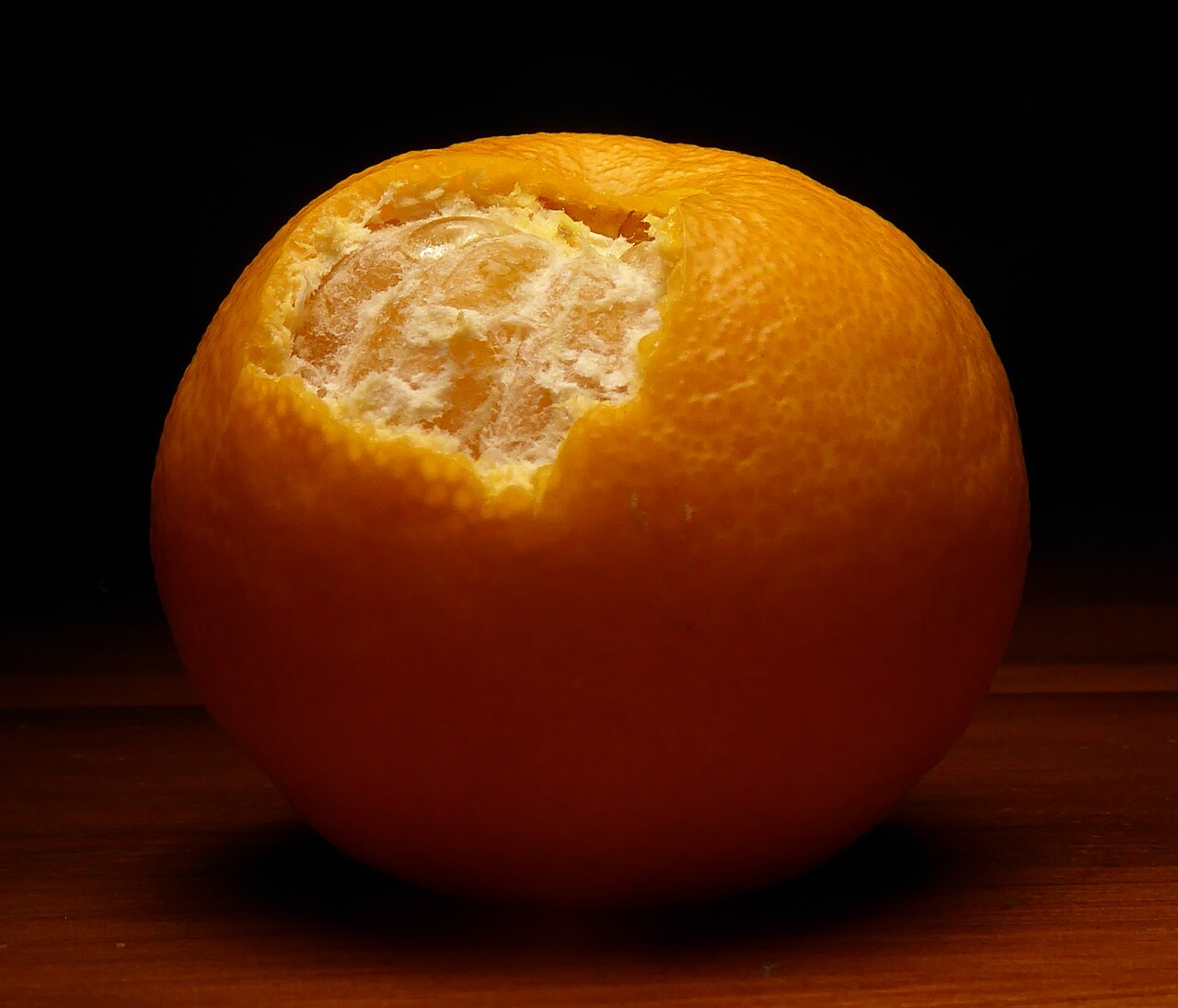
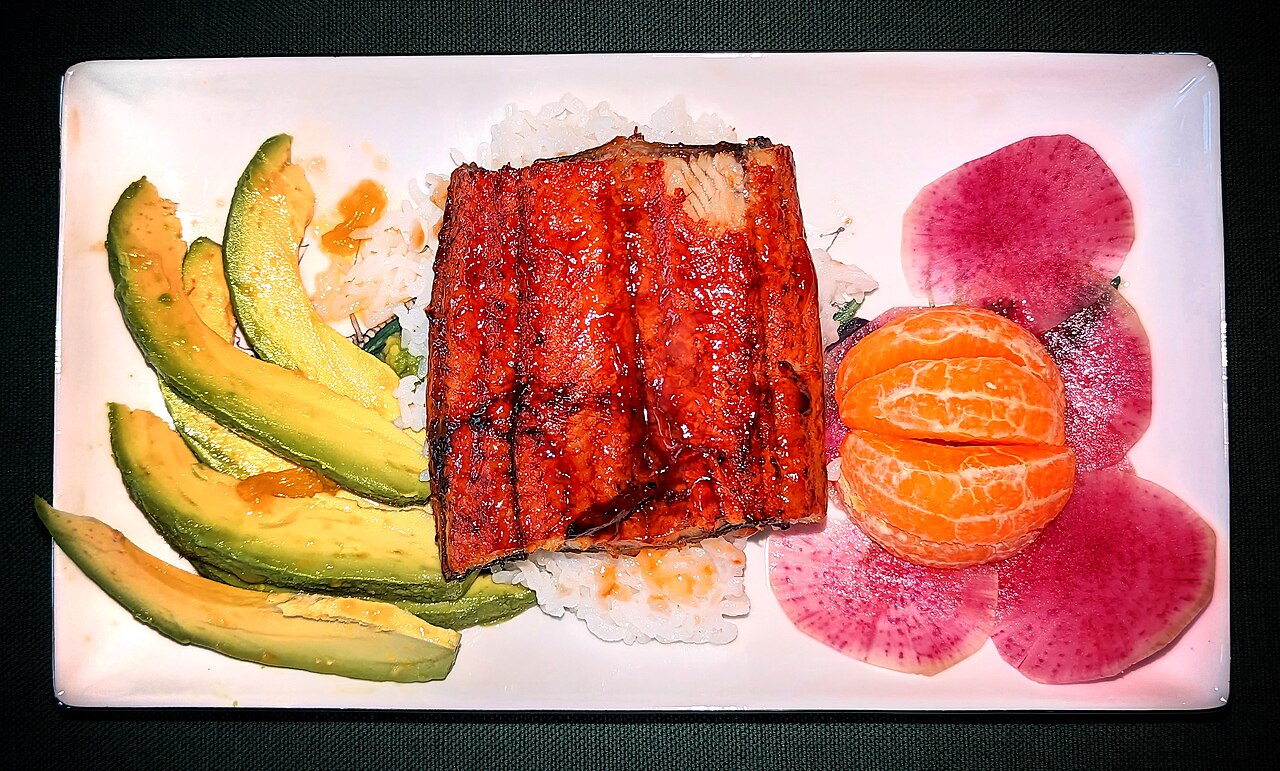
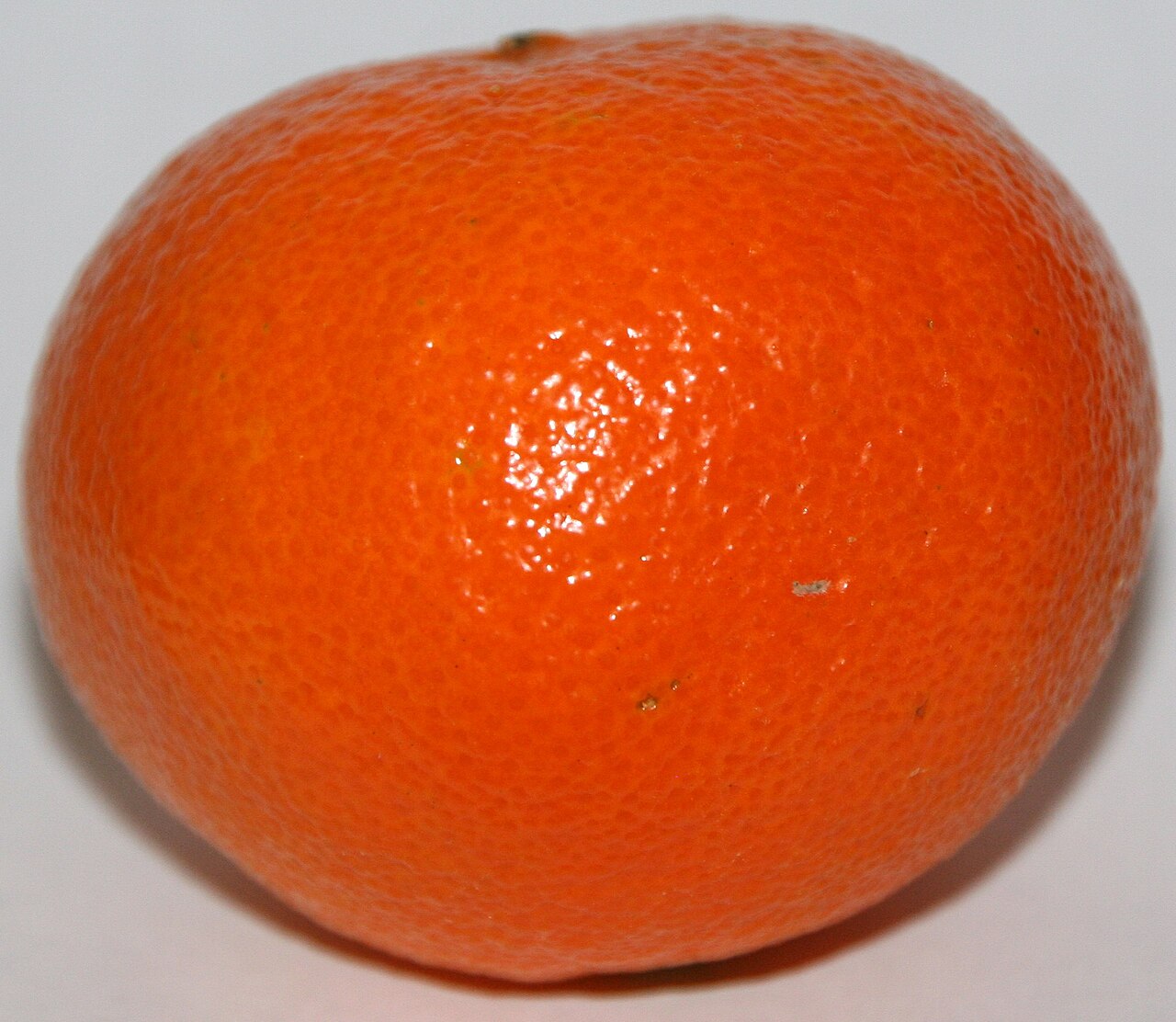
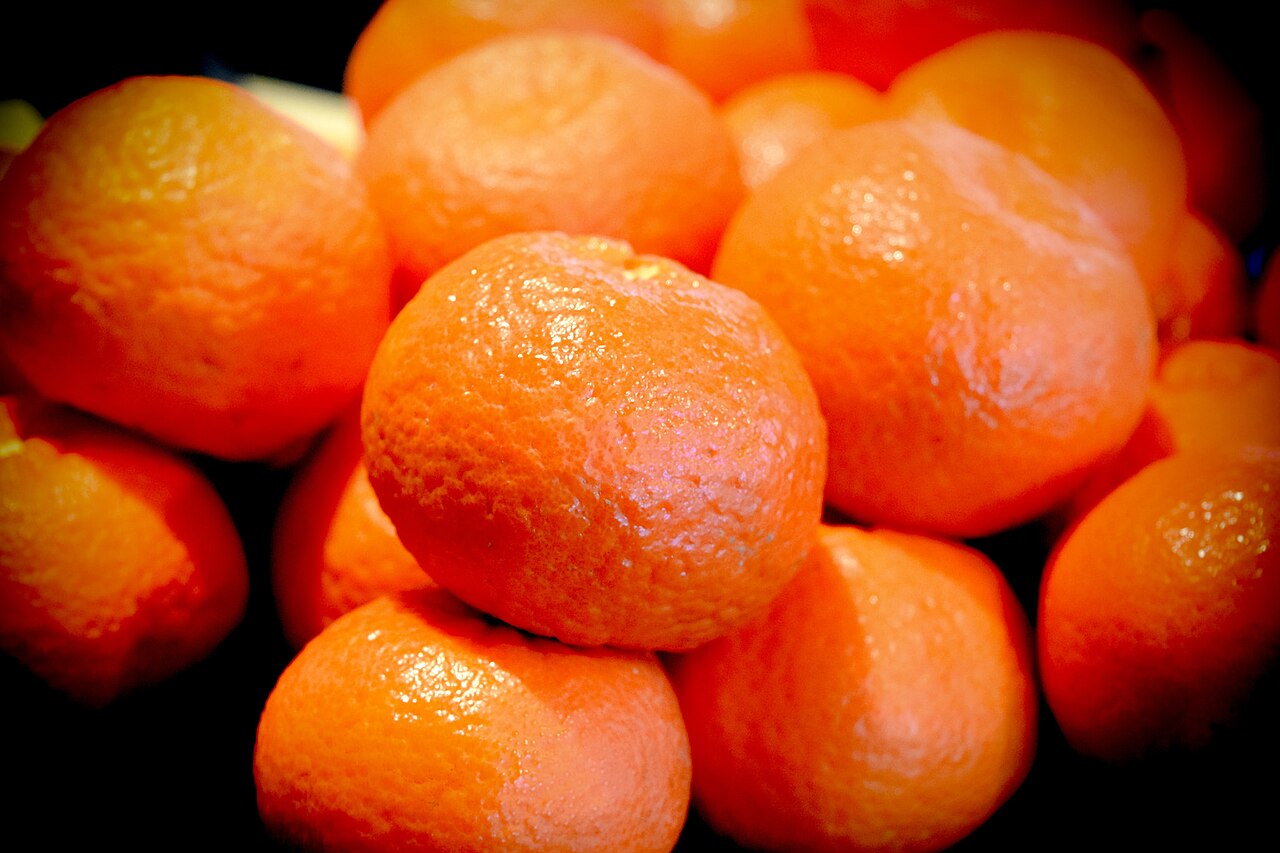
The clementine (Citrus × clementina) is a tangor, a citrus fruit hybrid between a willowleaf mandarin orange and a sweet orange. It was named in honor of Clément Rodier, a French missionary who first discovered and propagated the cultivar in Algeria in the late 19th century. Clementines are known for their deep orange color, smooth glossy appearance, easy-to-peel skin, and sweet, juicy flesh with low acidity.
- type
- Citrus fruit hybrid
- origin
- Misserghin, Algeria, late 19th century
- discoverer
- Clément Rodier (French missionary)
- parentage
- Willowleaf mandarin (C. × deliciosa) × sweet orange (C. × sinensis)
- key traits
- Easy to peel, seedless or few seeds, sweet, low acid
Lore & Background
The clementine arose as a spontaneous hybrid in the late 19th century in the garden of an orphanage in Misserghin, Algeria, tended by French missionary brother Clément Rodier. Some sources suggest similar fruit existed earlier in China, but genomic analysis confirms the clementine originated from a cross between a sweet orange and the Mediterranean willowleaf mandarin. Three types exist: seedless clementines (self-incompatible, requiring cross-pollination), clementines with up to 10 seeds, and Monreal (more than 10 seeds, self-pollinating, larger and sweeter). The fruit is typically divided into 7 to 14 segments and contains oils rich in limonene, myrcene, linalool, and α-pinene. They have lower heat requirements than other citrus, allowing earlier fruiting in warm regions.
Reader's Guide
The clementine holds significance as a widely cultivated, easy-to-peel citrus fruit that became a commercial success in North Africa, Spain, Italy, and California. Its low heat requirements and early fruiting made it adaptable to diverse climates. Varieties such as Clemenules (Nules) and Fina dominate Spanish production, while Italian cultivars like Clementine del Golfo di Taranto and Clementine di Calabria hold protected geographical indication status. The clementine's legacy includes its origin story tied to a French missionary, its genomic confirmation as a distinct hybrid, and its role in modern agriculture as a model for managing pollination to maintain fruit quality.
Did You Know?
- The clementine is a hybrid between a willowleaf mandarin and a sweet orange.
- It was named after French missionary Clément Rodier, who discovered it in Algeria.
- Seedless clementines are self-incompatible and require cross-pollination to produce seeds.
Botanical Origins & Physical Character
Yuzu (Citrus × junos) is a citrus fruit of Chinese origin belonging to the Rutaceae family. It is believed to have emerged in central China as a first-generation hybrid between the mangshanyeju subspecies of mandarin orange and the ichang papeda. While its roots are firmly East Asian, cultivation has expanded in recent decades to New Zealand, Australia, Spain, Italy, and France. The fruit itself resembles a yellow clementine with notably uneven skin, ripening from green to yellow or even orange depending on maturity. Typical specimens measure between 5.5 and 7.5 cm in diameter, though some grow as large as a grapefruit at 10 cm or beyond. The plant grows as an upright shrub or small tree, often bearing large thorns. Its leaves are distinctive for a broad, leaf-like petiole similar to those found on makrut lime and ichang papeda, and they carry a heavy fragrance. Yuzu is frequently confused with sudachi, a Japanese citrus from Tokushima Prefecture, but the two differ in that yuzu eventually turns orange and carries subtly distinct flavor notes.
Culinary Significance Across East Asia
In Japanese cuisine, yuzu functions much as lemons do in Western kitchens, with its aromatic zest and tart juice serving as a versatile seasoning. Its flavor profile is fragrant and sharp, closely echoing grapefruit while carrying mandarin orange undertones. It is a core component of ponzu, a citrus-based sauce, and appears in yuzu vinegar, yuzu hachimitsu (a honey syrup used for tea and cocktails like the yuzu sour), and yuzu kosho, a pungent condiment blending yuzu zest with chili peppers and salt. The fruit also flavors spirits such as yuzukomachi, wine, marmalade, and cake. Thinly sliced rind garnishes chawanmushi and miso soup. Japan's domestic production reached approximately 27,000 tons by 2016. In Korea, yuja is most celebrated in yuja-cheong, a marmalade made by sugaring peeled and thinly sliced fruit, which is then steeped in hot water for yuja tea or blended into yuja-hwachae, a fruit punch. It also appears in Korean-style Western dishes like salads.
Cultivation Challenges & Hardiness
Yuzu is a notably slow-growing citrus, typically requiring a decade before it produces fruit. To accelerate this timeline, growers often graft young yuzu onto karatachi (P. trifoliata), a technique that shortens the wait for the first harvest. One of the fruit's most remarkable agricultural traits is its relative frost tolerance, a quality inherited from its cold-hardy ichang papeda parent. This allows yuzu to survive in regions where winter temperatures dip to as low as −7 °C (19 °F), a range where more delicate citrus varieties would perish. The plant's thorny, upright habit and heavily scented foliage with large petioles make it visually and aromatically distinctive in the orchard. Although it originated and grew wild in Tibet and central China, yuzu was introduced to Japan and Korea during the Tang dynasty, where it remains a staple of cultivation to this day. Its slow growth and thorny structure, combined with its hardiness, make it a unique member of the citrus family suited to cooler climates than most of its relatives.
Cultural Rituals & Global Reach
Beyond the kitchen, yuzu holds deep cultural significance in Japan. Bathing with whole or halved yuzu fruits floating in hot water on Tōji, the winter solstice, is a tradition stretching back to at least the early 18th century. Known as yuzu yu or yuzu buro, the ritual is believed to ward off colds, smooth rough skin, warm the body, and calm the mind. The fruit's intensely aromatic oil is also marketed as a standalone fragrance. In Korea, yuzu wood is sometimes used to craft the body of the taepyeongso, a traditional oboe-like instrument. In the Western world, yuzu gained chef-level attention following a 2003 New York Times feature, and it is now cultivated in California, where it has been grown since 1888, despite a USDA ban on importing fresh yuzu from abroad to protect domestic crops. Even in pop culture, the fruit left its mark: the Japanese J-Pop duo Yuzu took their name from a yuzu-flavored sherbet one member was eating during their 1997 naming discussion.
Gallery


Frequently Asked Questions
What exactly is a clementine?
A clementine is a tangor, meaning it's a citrus hybrid created by crossing a willowleaf mandarin orange with a sweet orange. It's not a standalone species but a deliberate cross between those two parent cultivars.
Where did clementines originally come from?
They were first discovered and propagated in Misserghin, Algeria, in the late 19th century. That Algerian origin is where the fruit's lineage began before it spread to other growing regions.
What makes clementines stand out from regular oranges or mandarins?
They're prized for their deep orange, smooth glossy skin that peels apart with very little effort, plus a sweet, juicy interior with notably low acidity. Most clementines are seedless or carry only a handful of seeds, making them especially convenient to eat.
Are clementines the same as mandarins or tangerines?
Not quite — a clementine is a specific hybrid (mandarin × sweet orange) rather than a pure mandarin or tangerine. Its parentage gives it a distinct flavor profile and easier-to-peel rind compared to many other citrus fruits.
More in Peppers & Citrus Fruits 1-17
Spotted an error? Know more?
This is a living reference — every entry is fact-audited, and reader corrections feed straight into our audit queue. Suggest an edit · See this site's audit record