Citrus
Genus of flowering trees producing many hybrid citrus fruits.

PierreSelim · CC BY 3.0
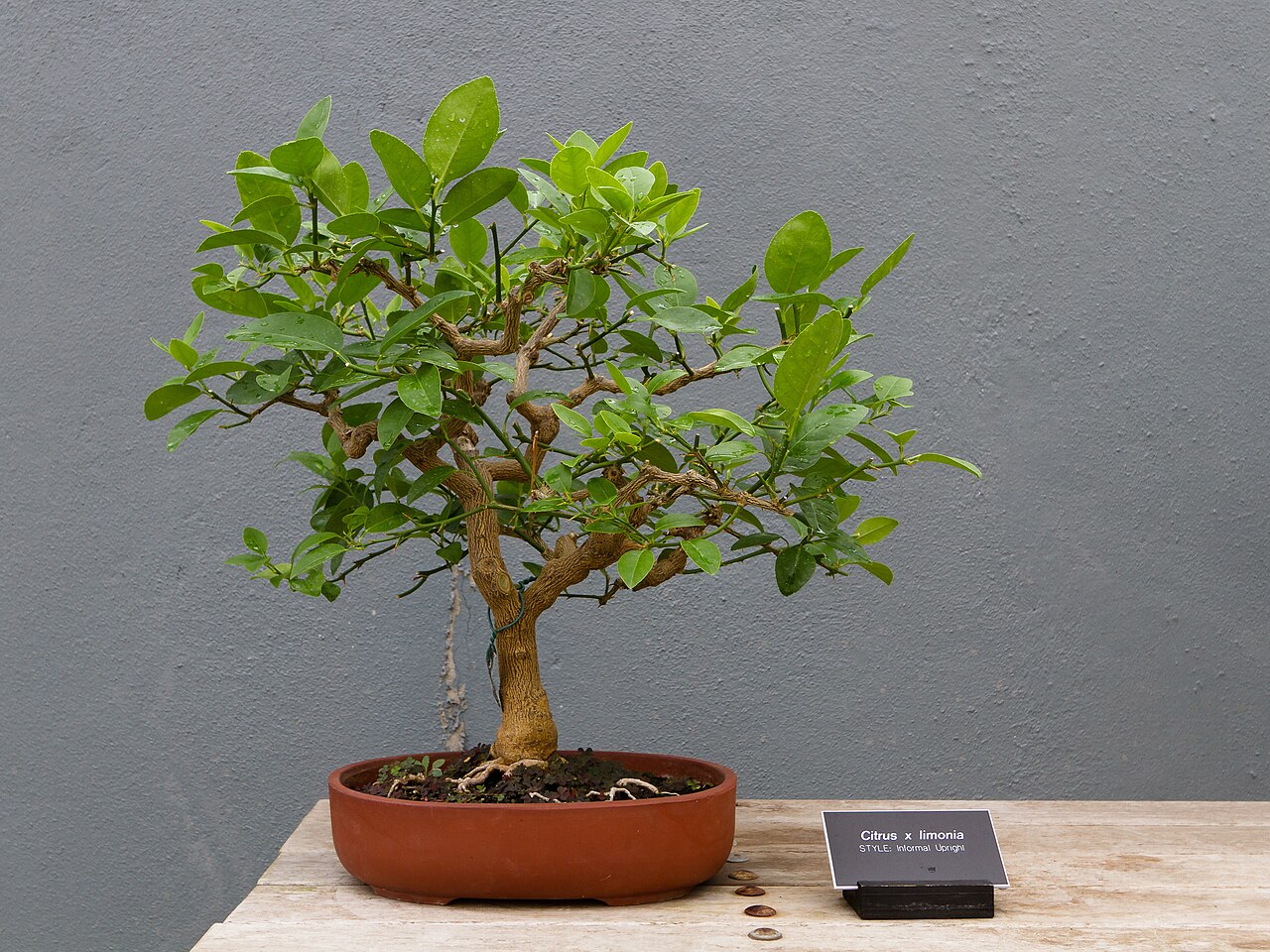
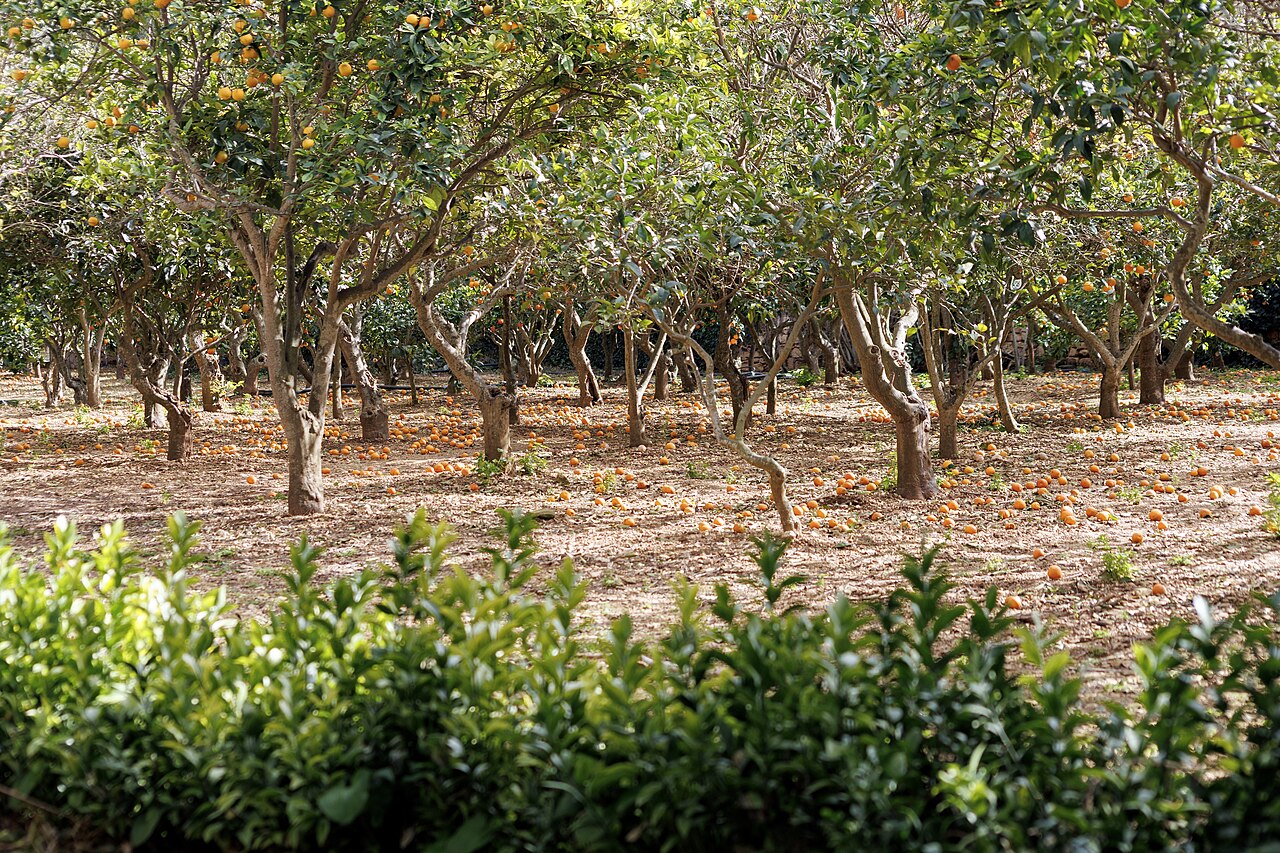
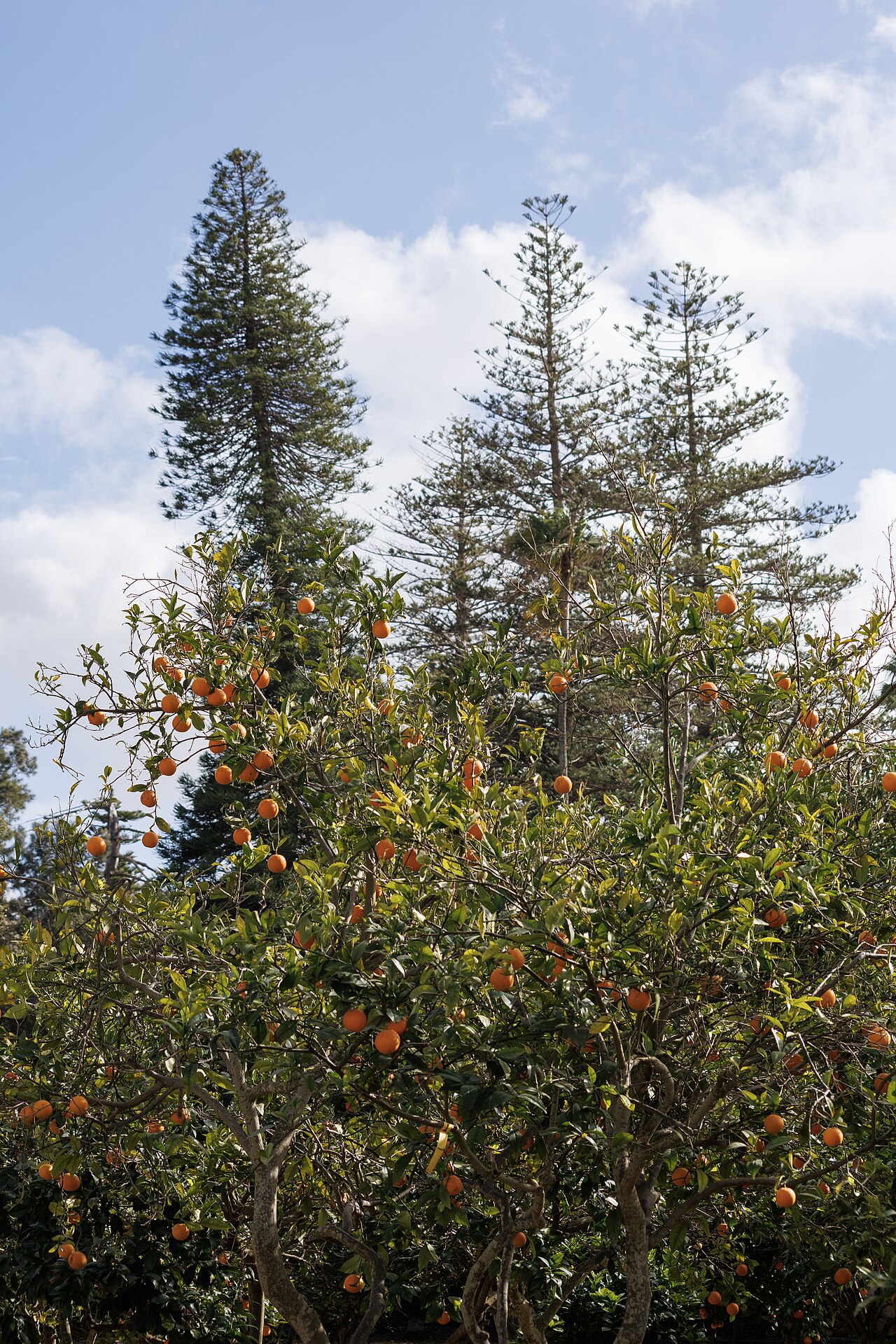
Citrus is a genus of flowering trees and shrubs in the family Rutaceae, native to South Asia, East Asia, Southeast Asia, Melanesia, and Australia. The genus produces citrus fruits such as citrons, mandarins, and pomelos, and many important crops—including oranges, lemons, grapefruits, and limes—have been developed through extensive hybridization. Renowned for their fragrant aromas and complex flavor, citrus are among the most popular fruits in cultivation, with a complex taxonomy due to their propensity to hybridize.
- field
- Botany
- known_for
- Citrus fruits (oranges, lemons, grapefruits, limes, etc.)
- native_range
- South Asia, East Asia, Southeast Asia, Melanesia, Australia
- earliest_domestication
- Ancient times by indigenous peoples in native range
Lore & Background
The genus Citrus evolved from small, edible berries over millions of years. Genetic studies indicate that Citrus species began diverging from a common ancestor about 15 million years ago, with the main genus splitting from the Poncirus group around 7 million years ago. The three ancestral species associated with modern cultivars are the mandarin orange, pomelo, and citron; almost all commercially important citrus fruits are hybrids among these and other wild species developed within the last few thousand years. Citrus cultivation first spread through the Austronesian expansion (c. Lemons, pomelos, and sour oranges reached the Mediterranean by Arab traders around the 10th century CE, while sweet oranges were brought to Europe by Genoese and Portuguese traders during the 15th–16th century. Mandarins were not introduced until the 19th century. Oranges were introduced to Florida by Spanish colonists.
Reader's Guide
Citrus is of immense significance as a genus that provides some of the world's most widely cultivated and economically important fruits. Its history of domestication and hybridization—spanning thousands of years and multiple continents—illustrates the interplay between human migration, trade, and plant evolution. The genus's complex taxonomy, driven by natural and artificial hybridization among a small number of ancestral species (citron, pomelo, mandarin), has produced a vast array of cultivars with diverse appearances and flavors. Citrus fruits are also notable for their distinctive structure: a hesperidium with a leathery rind, juicy pulp segments, and essential oil glands that contribute to their characteristic aroma. The genus's spread from its Himalayan origin to tropical and subtropical regions worldwide underscores its adaptability and enduring appeal.
Did You Know?
- The three ancestral species of most commercial citrus fruits are the mandarin orange, pomelo, and citron.
- The fruit of Citrus is a specialized berry called a hesperidium, with a leathery rind and juice-filled segments.
A Fruit with Many Faces
Citrus depressa, the small flat citrus fruit native to Taiwan and Japan's Okinawa Islands, has accumulated an extraordinary collection of names across languages and centuries. In Okinawan it is called shīkwāsā, while Japanese speakers refer to it as hirami remon, meaning flat lemon. English speakers have coined no fewer than a dozen variants—shikwasa, seaquarser, shiikuwasha, shequasar, Taiwan tangerine, sheer-quoarserre, Okinawa lime, and thin-skinned flat lemon—reflecting how widely the fruit has traveled through trade and translation. The species was once classified under the name C. pectinifera before being reclassified. A persistent source of confusion is its occasional translation as calamansi, yet the true calamansi (Citrus × microcarpa) is an entirely different fruit, though the two share a similar appearance. Despite this nomenclature chaos, the fruit itself is straightforward: a small, green-harvested citrus rich in flavonoids that has been a staple of East Asian kitchens for generations.
Tree, Bloom, and Harvest
The shiikwaasa tree is a modest flowering plant, typically reaching three to five meters in height, with white blossoms roughly three centimeters across that open their petals each April. By July, small fruits begin to form, each weighing between 25 and 60 grams. When unripe, the skin is a deep dark green; as the fruit matures it gradually shifts to yellow. The sugar content is notably low, making the fruit intensely sour in September before slowly mellowing as ripening continues. Commercial production is concentrated in southwest Japan, particularly along the northern coast of the main Okinawa island, where it grows alongside the tachibana orange, the other citrus species truly native to the Ryukyu archipelago. Over time, foreign citrus varieties have been introduced to the region and crossbred with local stock, creating a diverse grove landscape. Yet among all the citrus now cultivated there, only shiikwaasa and tachibana trace their lineage back to the islands themselves, making them the original citrus inhabitants of this part of East Asia.
A Natural Hybrid Written in the Genome
Genetic research has revealed that shiikwaasa is not a single cultivated variety but rather a family of independent clonal F1 hybrids, each arising from a separate cross between two mandarin lineages. One parent is the native Ryukyu mandarin, C. ryukyuensis, which reproduces sexually and provides a distinct genetic contribution each time. The other is a mainland-Asian mandarin, C. reticulata (designated RK3 by researchers), closely related to the Chinese Sun Chu Sha mandarin but carrying small traces of pomelo DNA that were passed into the shiikwaasa genome. This mainland parent reproduces clonally, and the resulting shiikwaasa offspring also propagate clonally. The Ryukyu mandarin sometimes serves as the seed parent and sometimes as the pollen parent, producing a mosaic of independent hybridization events. Because shiikwaasa trees grow wild and appear in some of the earliest poetry of the Ryukyu island kingdoms, researchers conclude these crosses occurred naturally over long periods rather than through deliberate human breeding.
From Bitter Peel to Bioactive Treasure
In the kitchen, shiikwaasa is prized for its sharp sourness, often squeezed over dishes the way one would use lemon or lime, or pressed into a yellow juice that is typically thinned or sweetened. Its high flavonoid content gives the fruit a pronounced bitterness, which is why sugar is frequently added in generous amounts. Fermentation offers an alternative, significantly reducing the astringent and bitter notes while preserving nutritional value. Beyond the kitchen, the peel and seeds harbor a remarkable array of bioactive compounds. Synephrine supports lipid metabolism and raises metabolic rate. Nobiletin, the predominant flavonoid, has been linked to anti-carcinogenic and anti-inflammatory effects, as well as hepatoprotective activity. Seeds contain limonin and nomilin glucosides with anti-tumorous properties. In animal and limited human studies, shiikwaasa paste has shown the ability to lower plasma glucose levels, and dried fruit is commonly steeped in therapeutic teas. Per 100 grams of unripened peel, total phenolic compounds range from roughly 225 to 294 milligrams.
Gallery

Frequently Asked Questions
What is Citrus?
Citrus is a genus of flowering trees and shrubs belonging to the Rutaceae family. It is the botanical group behind the fruits we commonly call citrus, including native species such as citrons, mandarins, and pomelos.
Where did citrus trees originally grow?
The genus is native to a broad stretch of Asia and the Pacific, spanning South Asia, East Asia, Southeast Asia, Melanesia, and Australia. Indigenous peoples in those regions began cultivating these trees in ancient times.
Why is citrus classification so confusing?
Citrus trees have a strong natural tendency to crossbreed with one another, which blurs the lines between species. This makes the taxonomy of the genus notoriously tangled compared to many other plant groups.
Are oranges and lemons 'natural' citrus fruits?
Not quite—many of the most popular citrus crops, including oranges, lemons, grapefruits, and limes, are the result of extensive human-driven hybridization rather than wild species. The truly native members of the genus include citrons, mandarins, and pomelos.
More in Peppers & Citrus Fruits 1-17
Spotted an error? Know more?
This is a living reference — every entry is fact-audited, and reader corrections feed straight into our audit queue. Suggest an edit · See this site's audit record